

About

Where this might be true for objects, all good scientists know it is certainly not the case for ecosystems.
Take the Thames River shoreline in Connecticut, for example, a buzzing, busy, thriving shoreline that’s imperative to the success of the region’s economy—a shoreline where industry and nature exist side by side, but where decades of industrial activity have left this particular East Coast ecosystem in need of a helping hand.
No one knows the nuance of this delicate balance better than Dr. Maria Rosa of Connecticut College, an Associate Professor of Biology whose research focuses on understanding the important role marine life plays in keeping coastal ecosystems healthy.
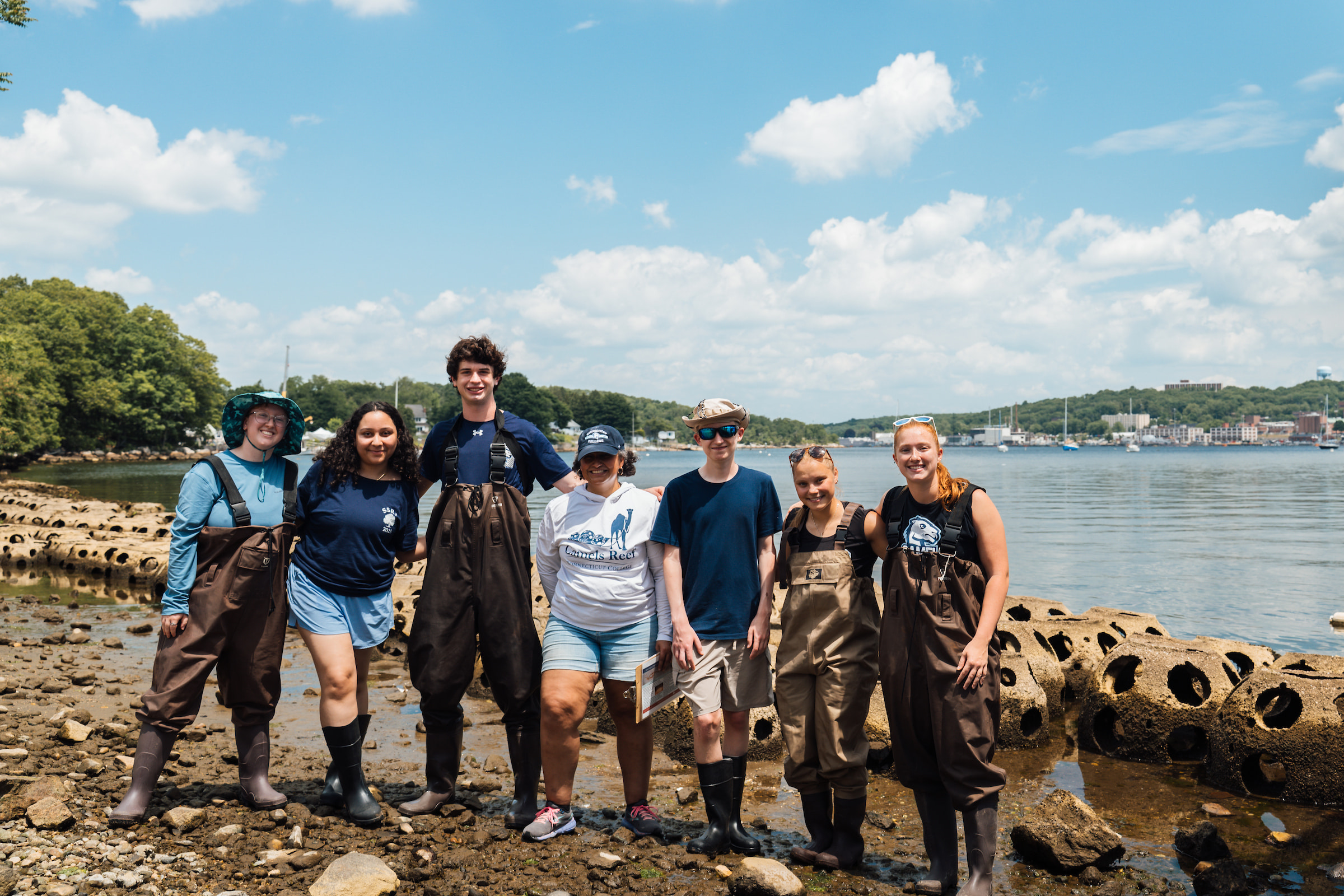
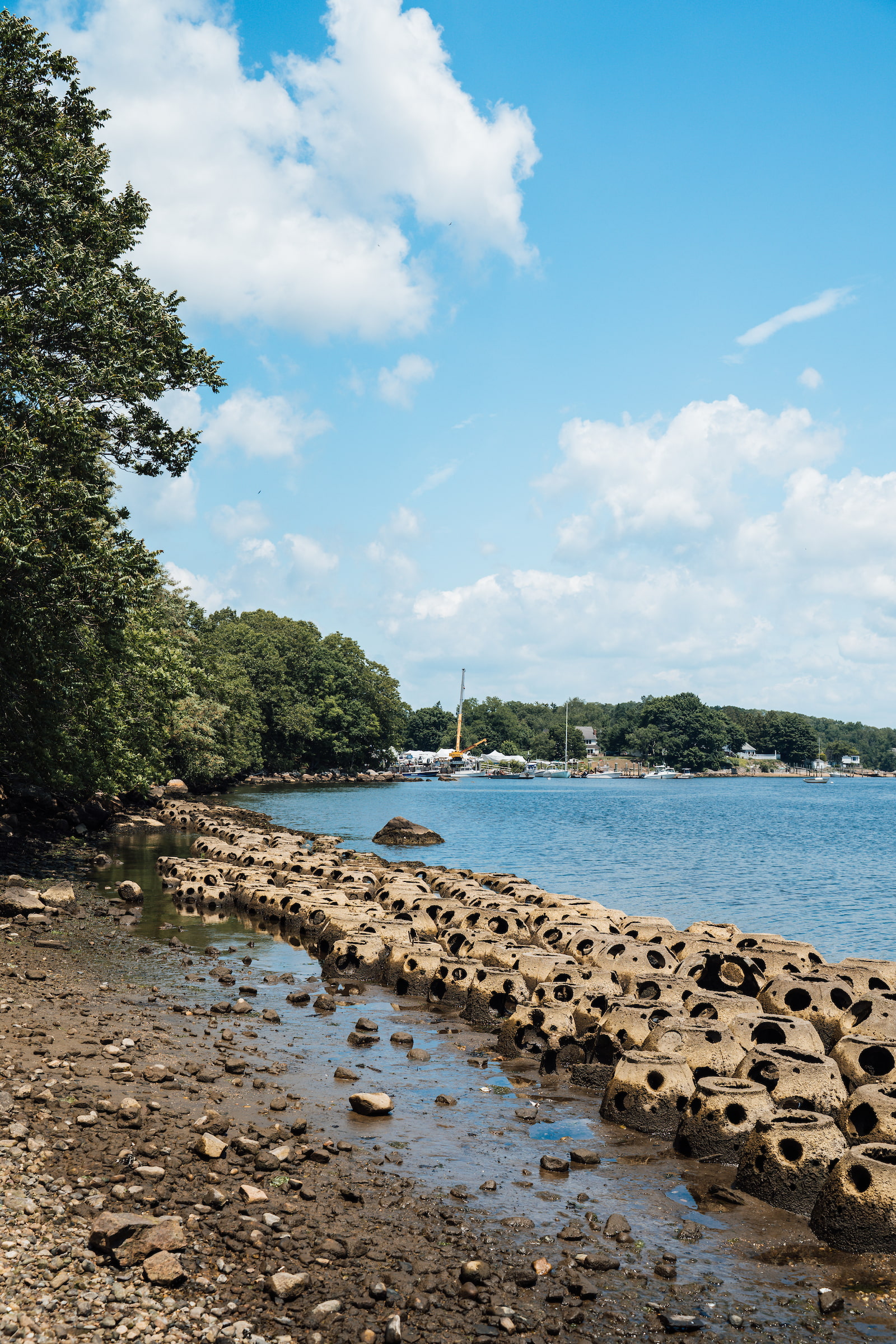
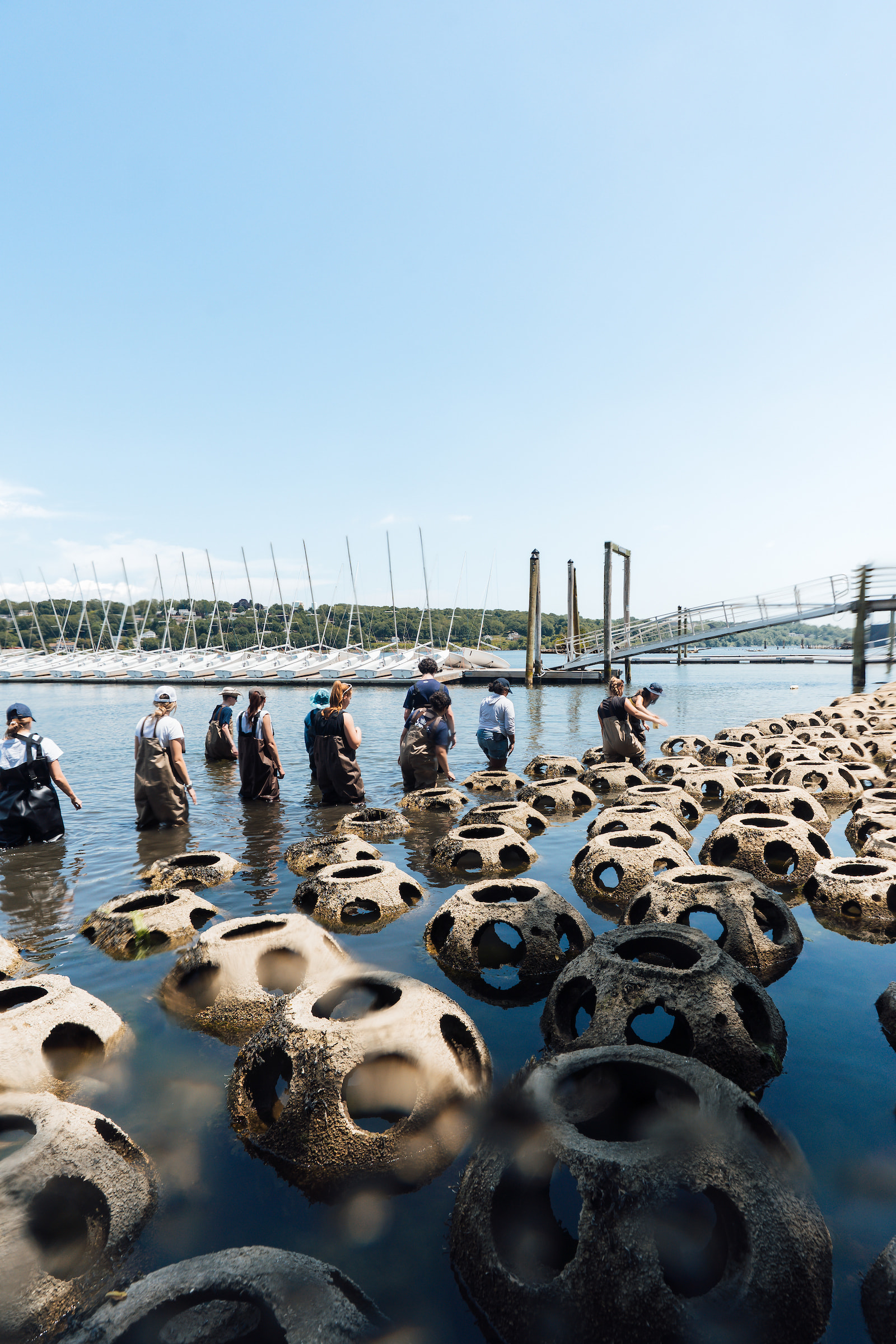
In her role leading the college’s Rosa Marine Ecology Lab, she has been working with volunteers, students and the local government to explore opportunities to innovate around the restoration of the Thames River, installing a living shoreline they call Camel’s Reef.
With 11th Hour Racing’s support, the Rosa Marine Ecology Lab has unearthed some unexpected findings that might just shape a scalable framework for future generations.
While the Thames (pronounced TH-AMES––“after all this is New London, not London,” Dr. Rosa explains laughing) River is part of the waterfront that Connecticut College has, it is also shared with many important U.S. institutions.
“It is a very utilized area,” Dr. Rosa explains. “We have the Coast Guard there, including the Coast Guard Academy. We also have the U.S. Navy. The river is where they build the nuclear submarines, so it is a very productive area and a very well-used area. Therefore, naturally, it’s a very impacted area.”
The river has been dredged since the 1800s and the developments have seen the shorelines hardened with seawalls and other structures being built. With the shoreline transformed on the surface, the living ecosystem that lies beneath has been affected as well.
“A lot of the fish and other organisms that we fish or that people rely on also use the waterfront, but we’ve basically cut off the access or the connection that the marine system, the water system, has to the terrestrial ecosystem,” Dr. Rosa reveals. “We call it marine habitat loss, and we call it a loss of ecosystem services.”
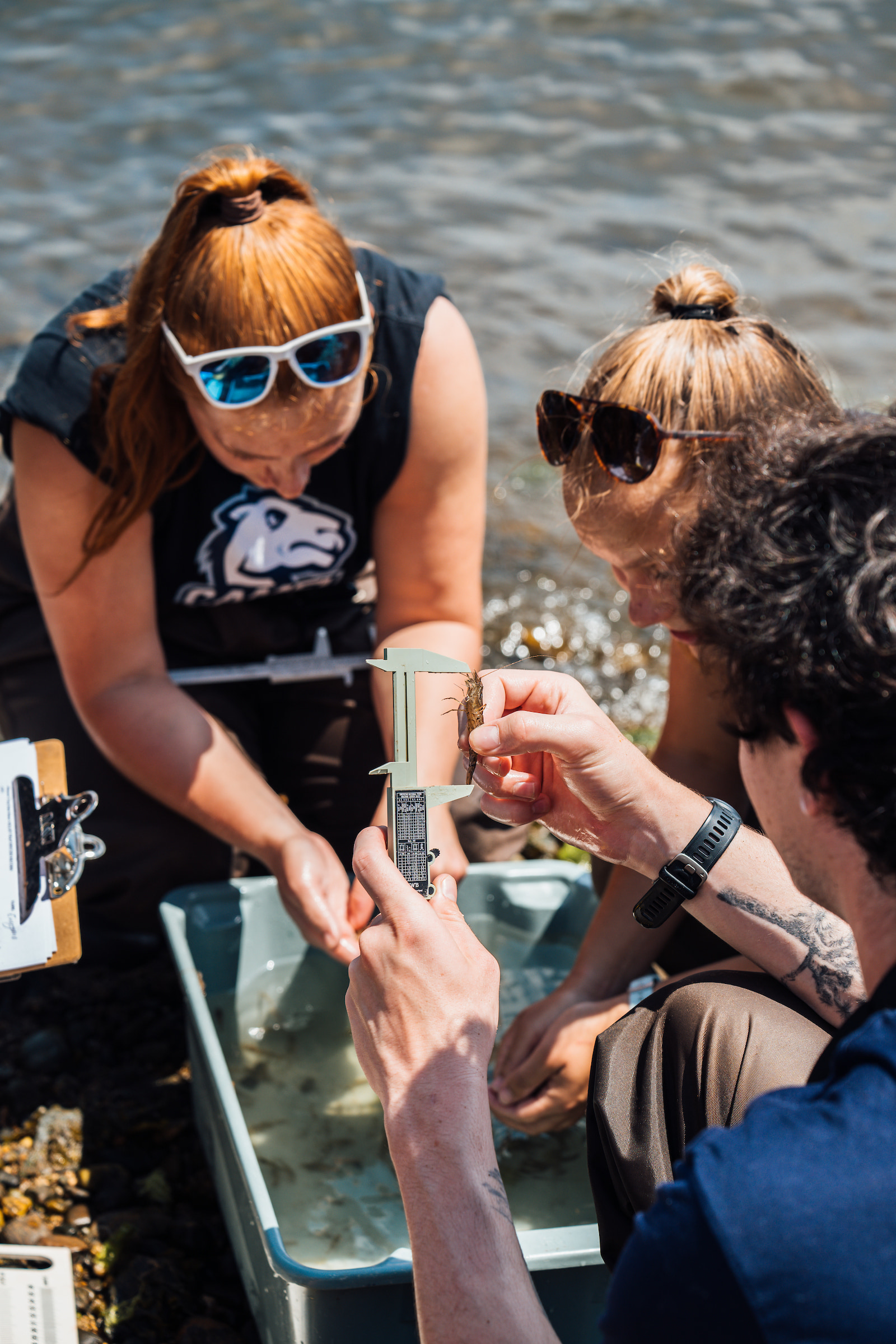
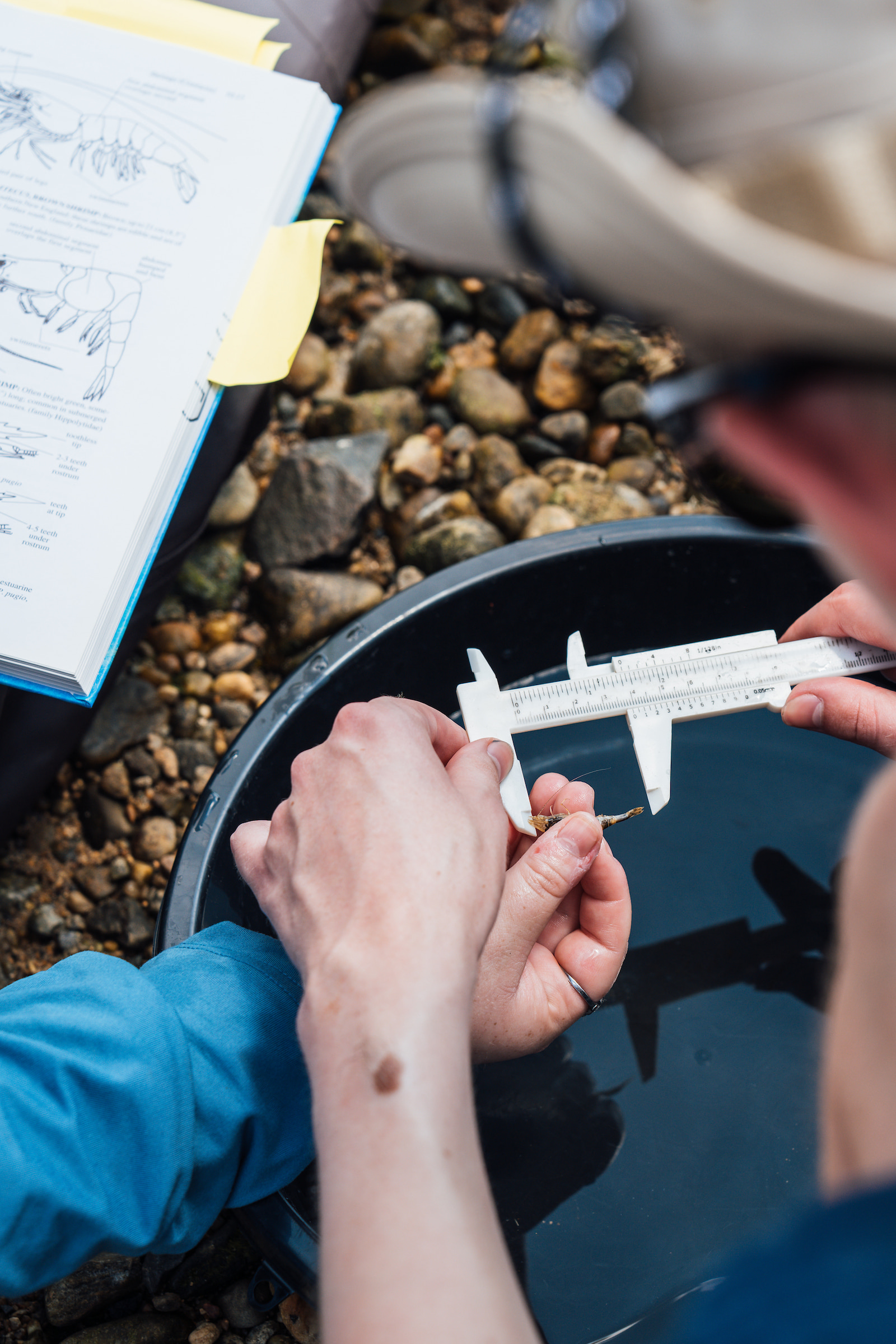
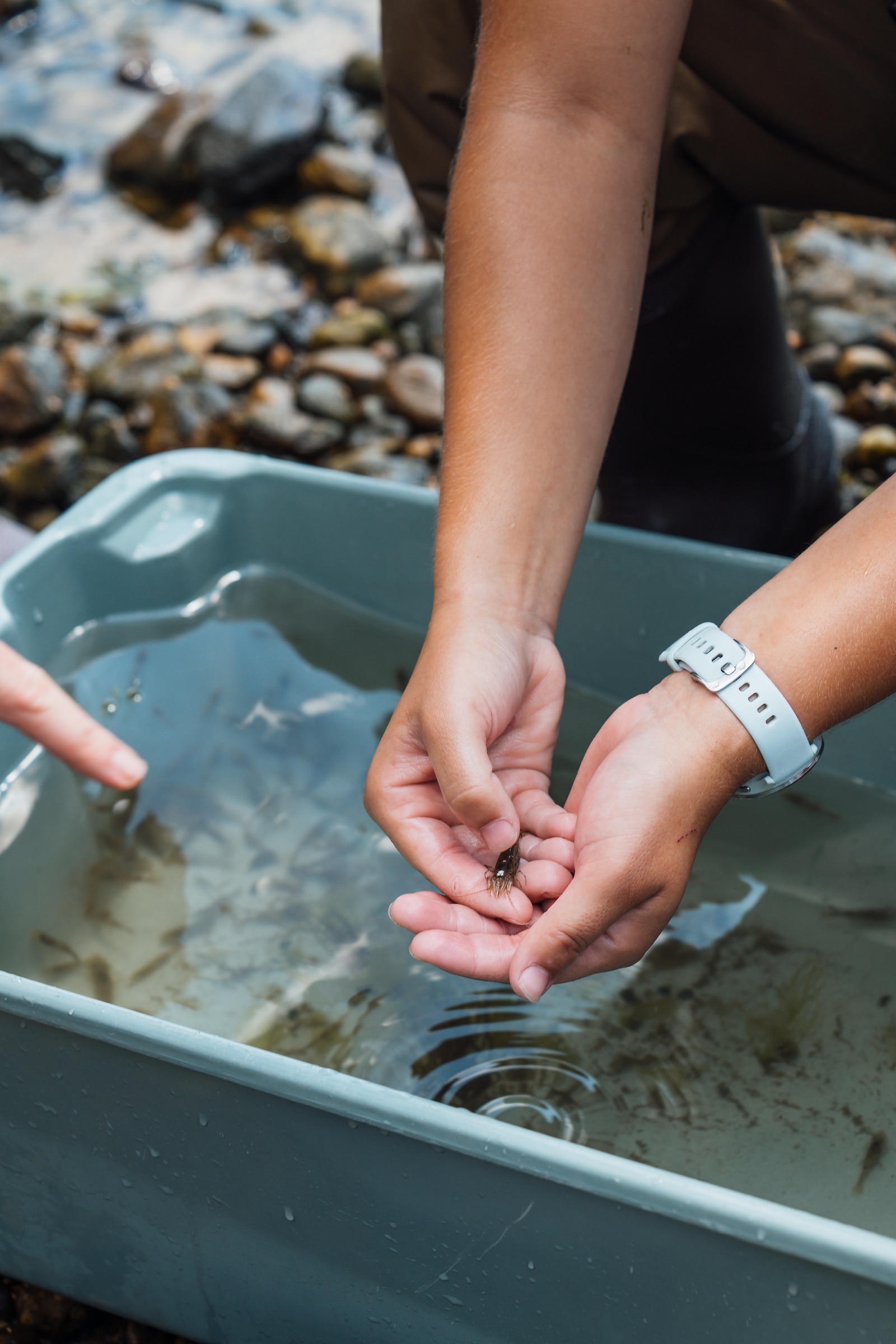
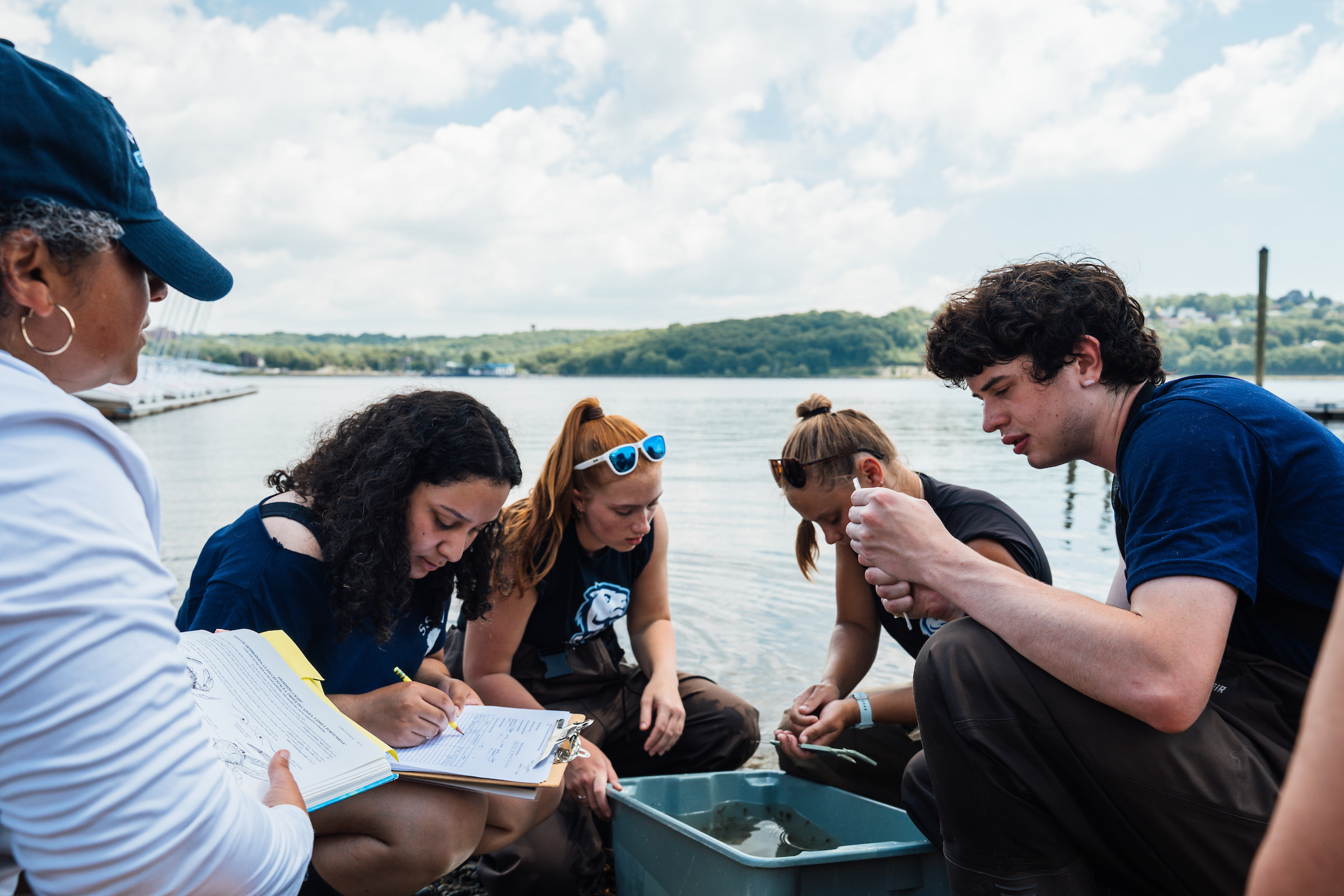
The path toward restoration began at an unexpected moment. Six years ago when a global pandemic brought much of Dr. Rosa’s research at Connecticut College to a standstill, she began looking for new ways to continue studying the shoreline while working within the limitations of the pandemic.
“Suddenly, we were allowed not to be inside anymore,” she remembers. “We couldn’t travel anywhere, but I was looking for something to do outside for some research.”
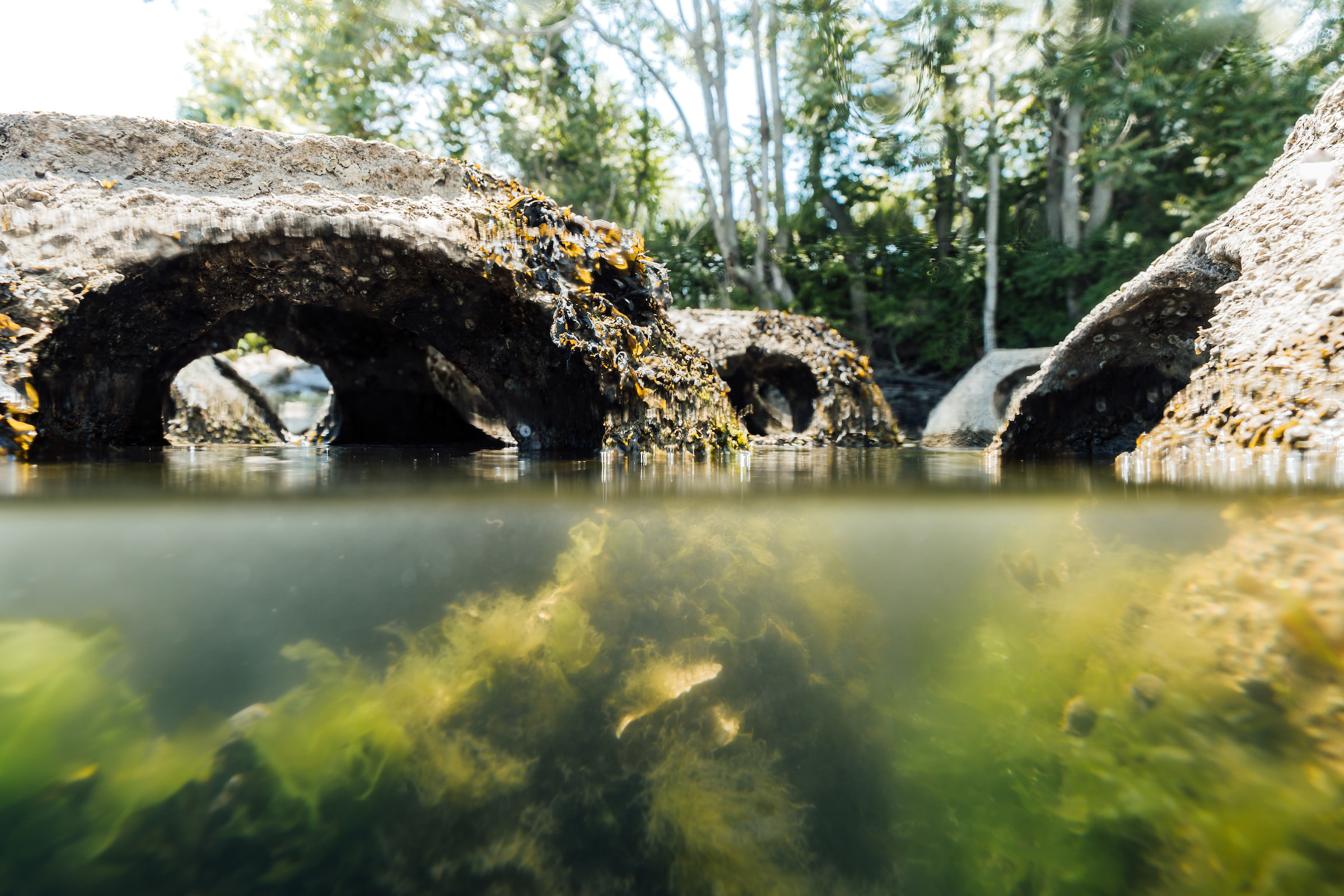
The solution came in the form of reef balls––concrete structures designed to create a three-dimensional habitat where marine life can attach, shelter, and thrive. Ecologically sound in their design, their hollow, heavily-textured surfaces create crucial shelters for marine life to settle. They are also highly effective as a form of defense, helping to prevent coastal erosion by absorbing energy from powerful waves and stabilizing sediment.
As with all scientific innovation, there were no guarantees, but Dr. Rosa had learned about them through a fellow scientist in the state and was excited to take the risk.
“My friend and colleague turned to me and said, ‘you know, this might not work,’” she recalls. “My permit says you have five years. If it doesn’t work in five years, you have to take them out.”
.jpg)
What began as a small experiment with an uncertain future quickly became something far more significant. Dr. Rosa’s first pilot consisted of 35 reef balls, and even though she wasn’t sure whether the concept would succeed, within just eight months the shoreline began showing positive signs of change.
“It was incredible,” she enthuses. “Honestly, my students and I get so giddy when we see the transformation, and this still happens today.
“Just this summer, we found three new species that I had never found before. One of them is the first time it’s been found in the Thames River in the state.
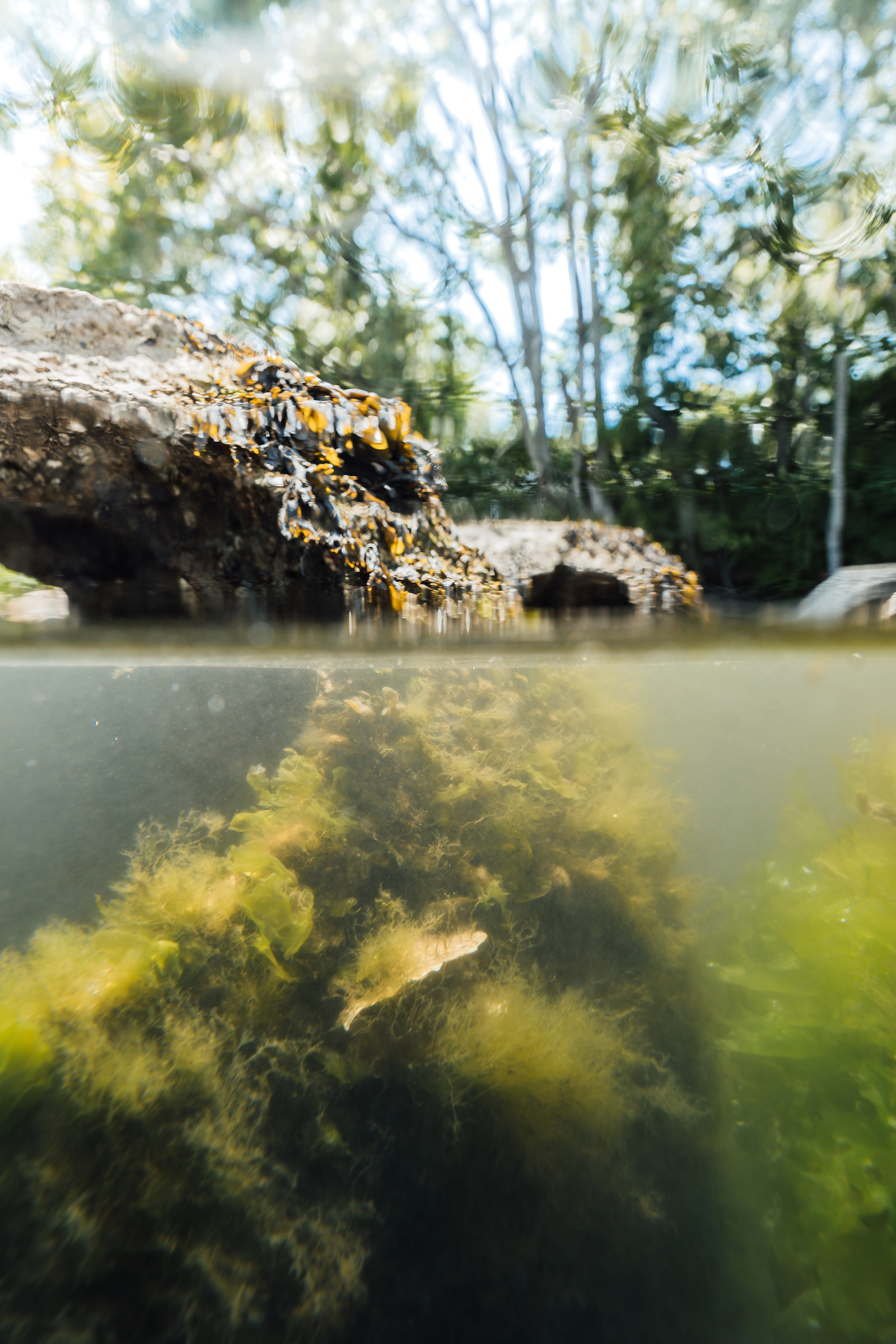
“Fish, crabs, everything likes the reef balls. And then you can get encrusting organisms. Here, where we are in the eastern part of the United States in more temperate areas, you can get oysters and barnacles and mussels attaching to the reef balls. So they’ve now become the base for the living shoreline.”
.jpg)
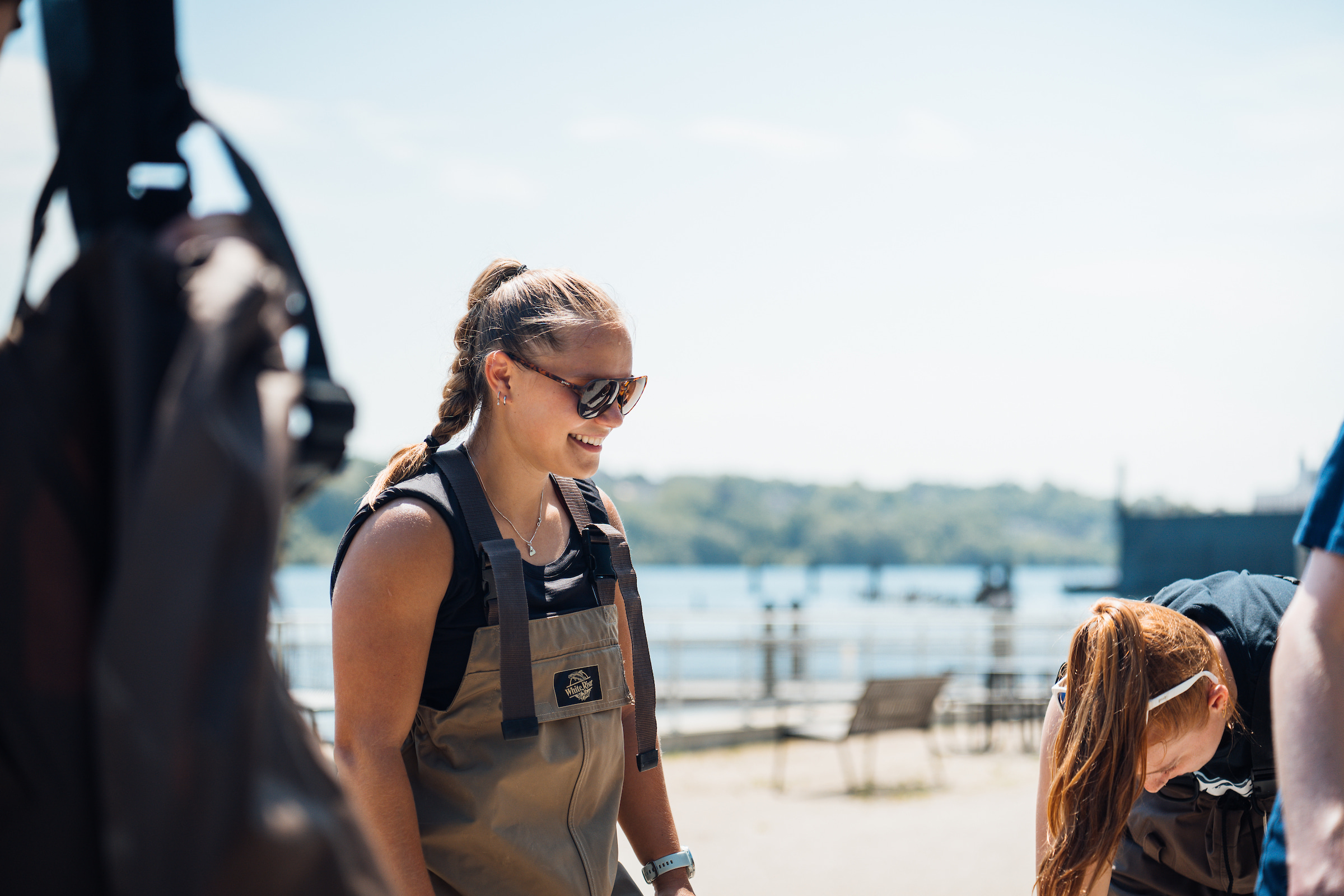
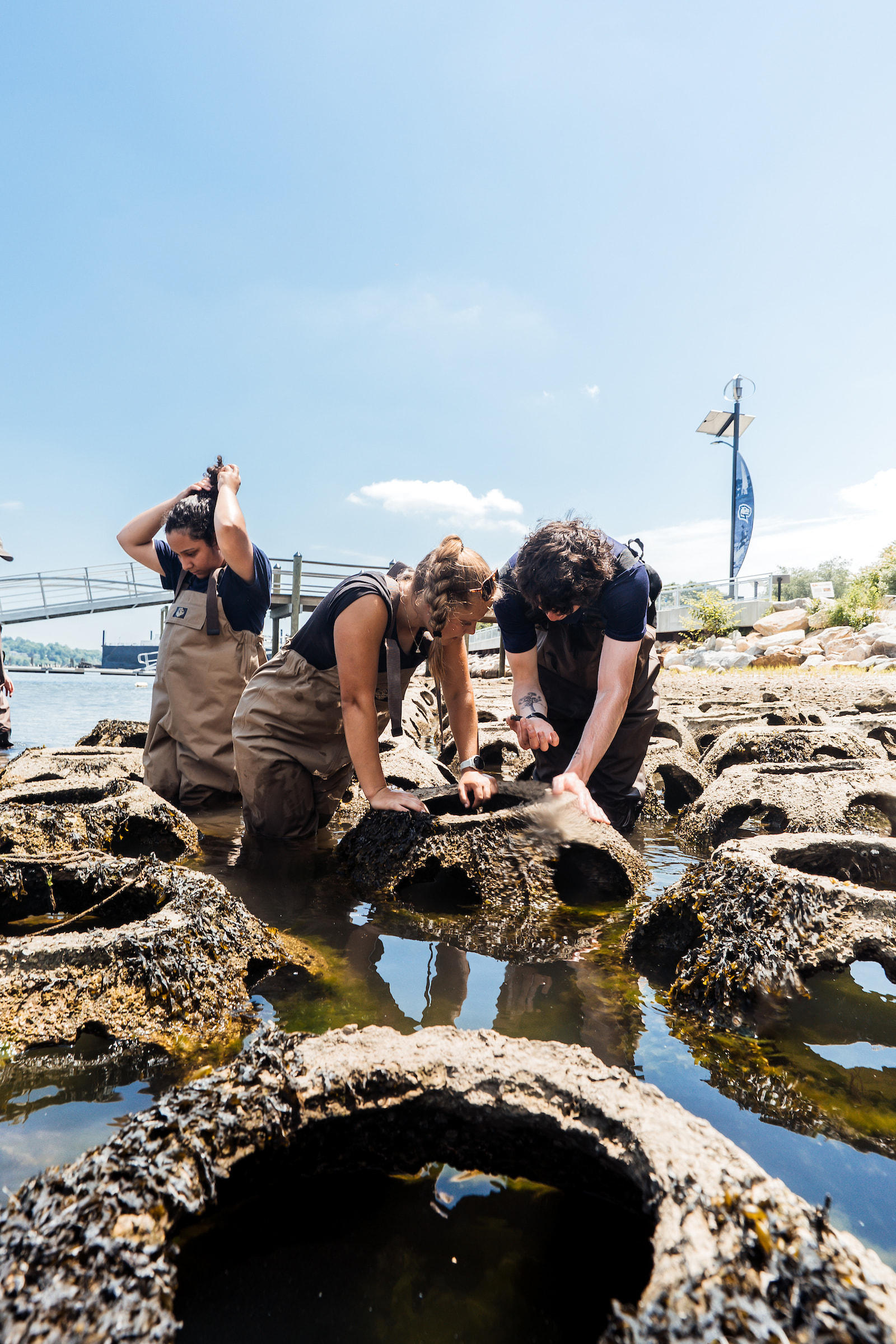
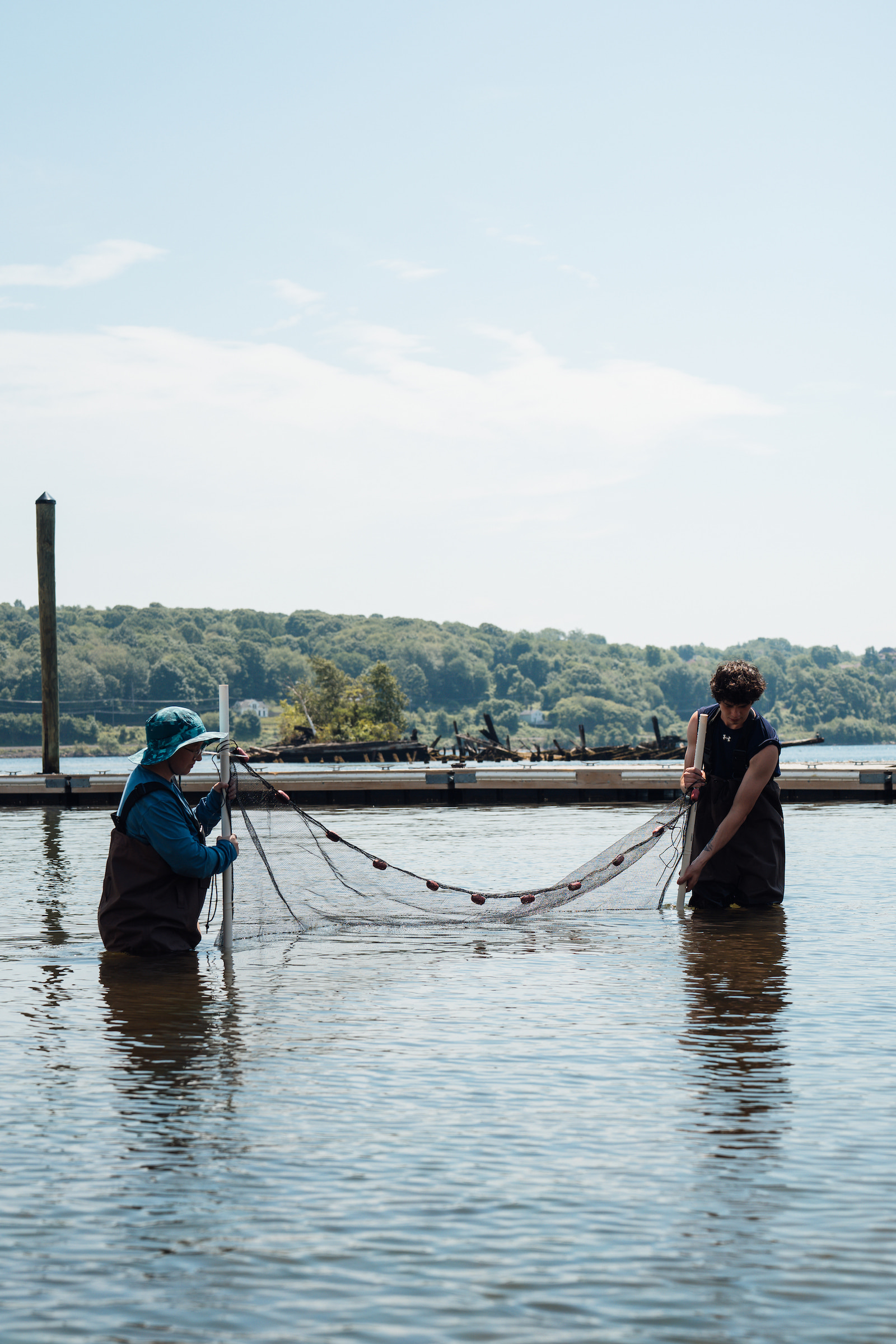
For Dr. Rosa, the success of Camel’s Reef is about more than restoring habitat—it’s a place where the wider community can experience science firsthand. With her professor hat on, she likes to call the waterfront a “living classroom” where students can come down and get exposed to marine science skills.
“It’s not like being in a lab where you put chemical A into chemical B and you get reaction C,” Dr. Rosa explains. “We’re going outside. This is how we do science. What happens when you find something? That’s where the real discovery begins.”
The project has also brought together volunteers who are keen to get their hands dirty and play a significant role. Very quickly, a community has been born.
Dr. Rosa says, “To see people spend their Saturdays with us and have the satisfaction of, ‘wow, we did that, we put that out there,’ it does something, it creates community.”
.jpg)
.jpg)
Restoration requires notorious patience, and for Dr. Rosa, having the opportunity to test an idea before knowing exactly what would happen was what made Camel’s Reef possible.
“The problem with restoration work is it’s really hard to get people to support something when you tell them we might not have anything for five years,” Dr. Rosa explains.
“Having someone willing to take that chance and say, ‘Hey, we’re going to try this. If it doesn’t work, you tried it,’ is vital, so having 11th Hour Racing share that faith that I had in my little reef balls and in my little idea really meant a lot and has changed the game.”
Now, the hope is that this small section of the Thames River can become a positive case study and model for communities around the United States and beyond that are looking to restore and protect their own shorelines.
Hero image credit: ©Tandem
.svg)
.svg)
.jpg)

.jpg)
