

About

It happens because extraordinary people choose to show up, in their communities, on the water, in classrooms, and on the front lines of restoration, every single day. The changemakers in this blog might come from different places and carry different missions but they share something deep and powerful: an unshakeable belief that the world can be better. They have the courage to prove it, too. Read on to meet some of the trailblazers 11th Hour Racing is proud to support.
.jpg)
Organization: Seacology
Location: Dominican Republic & Jamaica
“People will protect something when they feel connected to it.”
Seacology is a nonprofit organization that works with island and coastal communities to protect critical ecosystems and biodiversity through projects that benefit both people and nature. Play for the Mangroves is a Seacology initiative that uses sports as a gateway to environmental stewardship, engaging young people in mangrove restoration, coastal cleanups, environmental education, and community conservation. By combining the power of sports with hands-on conservation, the program helps cultivate the next generation of environmental leaders while supporting the protection and restoration of coastal ecosystems across the Dominican Republic, Jamaica, and beyond.
It was a 5K run through the mangroves in a rural community in the Dominican Republic. We were expecting about 50 people to show up, but more than 200 came. We had senior citizens, toddlers, and people from neighboring towns all running through the mangroves, and you could really feel the momentum of it all. Afterward, the mayor of the small town showed up and officially declared the town a “mangrove town” through a local ordinance. That was the moment I realized we had something big on our hands.
The obvious answer is that we’d lose a lot of mangroves and trees, but that’s not really the point of our work. What we’d really lose is the opportunity for thousands of young people in coastal communities to develop a meaningful connection with nature. Through the program, they learn about their local ecosystems, see themselves as part of the solution, build confidence, stay active, and have fun. For many of these kids, those opportunities wouldn’t exist otherwise, and that personal growth is the outcome I’m most proud of.
Start with what people already care about and use that as a bridge to something bigger. It’s much easier to build relationships and engage with an activity you already want to do.
Young people. Every time we’re out there, we meet some of these kids, and you can see the excitement about protecting their community. That’s the moment where I’m reminded that the future is in good hands.
Tour guide. Something related to the outdoors and community.
Dominican bachata, dembow, and reggae.
Purposeful.
Organization: A Ti’a Matairea
Location: Tahiti, French Polynesia
“You have to be ready for a lot of challenges, but change is absolutely possible when people come together for something they love.”
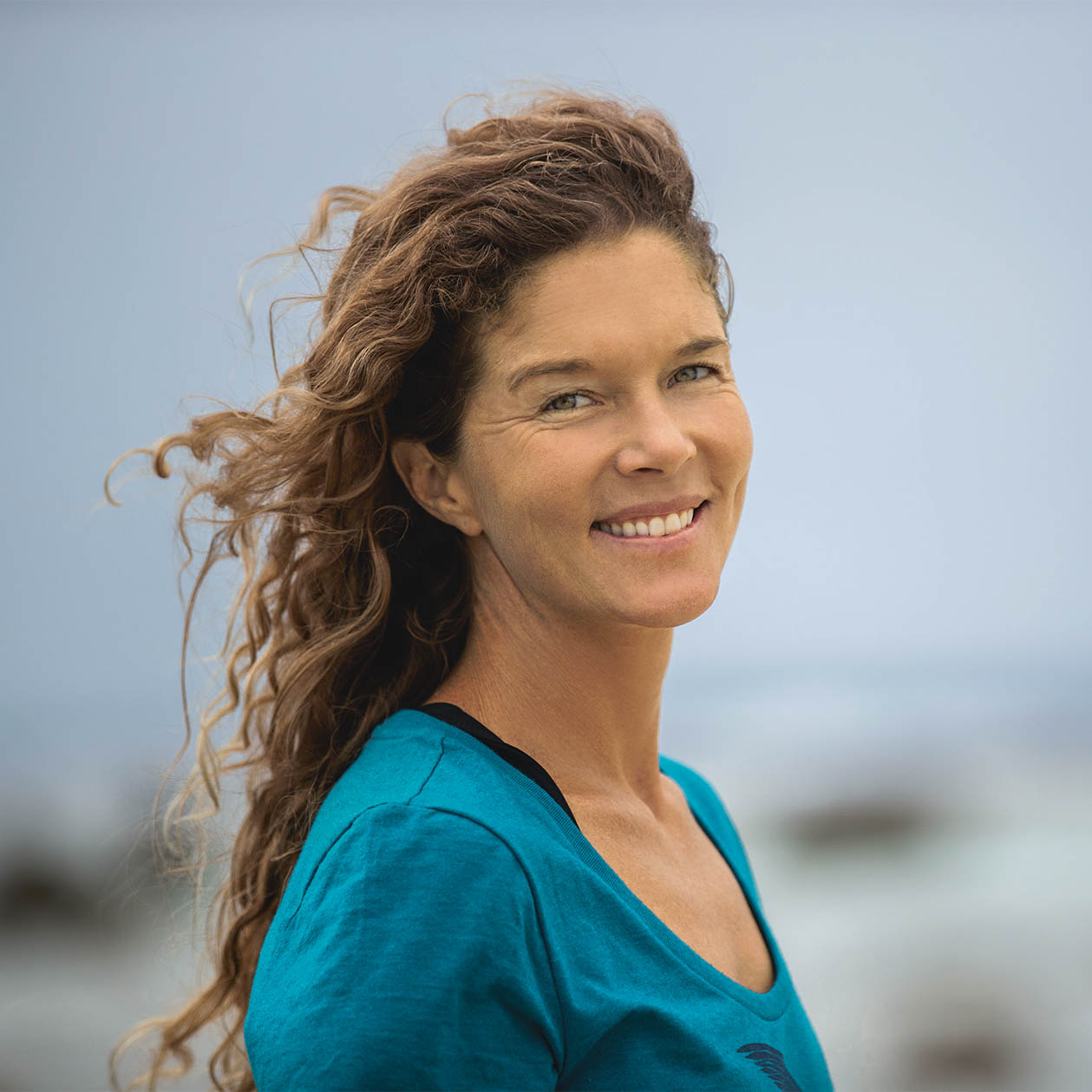
A Ti’a Matairea is a nonprofit organization in French Polynesia dedicated to preserving our island’s natural heritage, uplifting our youth, and protecting animals. Our strength lies in our solidarity and shared vision, and our dedication to the projects we undertake: reef protection, environmental education for children, sterilisation and adoption of dogs and cats, beach cleanups, fighting against invasive species, and more.
The first time I went on one of our after-school coral reef excursions. The kids learn about the reef ecosystem and then go snorkeling and see the things firsthand. They swim in these waters all the time, but for many it was the first time they had a chance to wear a mask and snorkel. It was moving to see the way their eyes lit up to see under the water, to have a little context of what they’re looking at. The excitement, the feeling, the energy they all had afterward, I could tell we were having a big impact.
For our community, we would lose our biggest and most powerful voice for nature and kids and animals. It’s one thing to learn in the classroom, but the expectation that they’ll eventually go out and actually see these things makes that all the more enjoyable for them. There’s not too many other extracurricular activities here after school.
Recognizing what you’re passionate about and what your greatest skills are, and then looking at what your community’s biggest needs are and then finding where those things overlap.
The kids absolutely give me hope. They care deeply and they’re not afraid to show it. That enthusiasm is contagious.
Some other activist work, marching on Washington or making change.
Reggae music, current favorite One Love is Action by Natalie Rize & Collie Buddz.
Care.
Organization: Mass Oyster Project
Location: Massachusetts, USA
“If we step back and let Mother Nature do her job, she’ll do a better job than we can.”
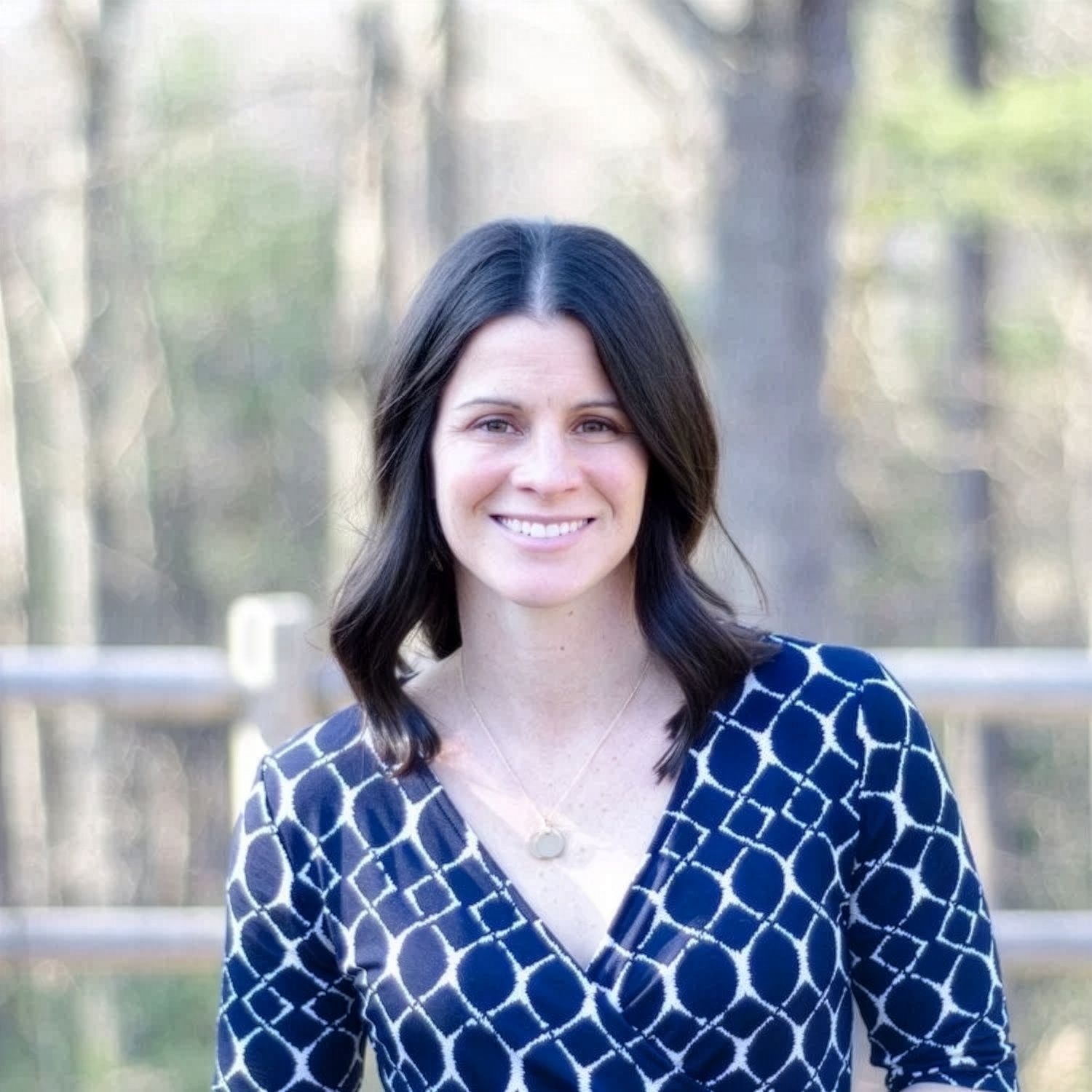
The Massachusetts Oyster Project aims to restore native shellfish populations in coastal waters to enhance the local environment and ecosystem, and divert oyster shells from the waste stream. Through education, restoration, and advocacy, the project addresses critical issues, including water quality, marine habitat degradation, coastal resilience, and biodiversity loss. A key goal of the project is raising public awareness of oysters’ crucial role in filtering water, supporting marine life, and strengthening coastal resilience.
When I realized I didn’t have to solve every problem. Everything that’s going on in our town, in our state, in our country, it feels overwhelming really quickly. Lots of people feel this way, and then you end up with paralysis, not feeling like you can make a difference. For me personally, doing oyster restoration, putting oysters back in the water, is my specific piece of the puzzle in this world. Nobody can do it all, but this is where I’ve decided to make my impact.
Momentum. Massachusetts has been slow to adopt the idea of oyster restoration, but over the last year the tide has really started to turn. We went from zero opportunities to everyone jumping onto oyster restoration. If this work stopped, specifically in MA, we’d risk losing that momentum just as it’s beginning to make a real difference.
Ask, be curious about what’s going on. It can be as simple as going to a restaurant for dinner and wondering what happens to the oyster shells after they’ve been shucked. Do they end up in a landfill? Are they collected and reused to help restore oyster reefs?
Small actions create big changes. One person doesn’t have a big impact, but when enough people take action, you start to see the ripples build into waves.
I can’t imagine doing anything that I’m not as passionate about as the work I do now.
Don’t Stop Believing by Journey.
Passion.
.jpg)
Organization: Team Francesca Clapcich
Location: Lorient, France
“Everyone is different and those differences make unique teams that excel once given the opportunity.”
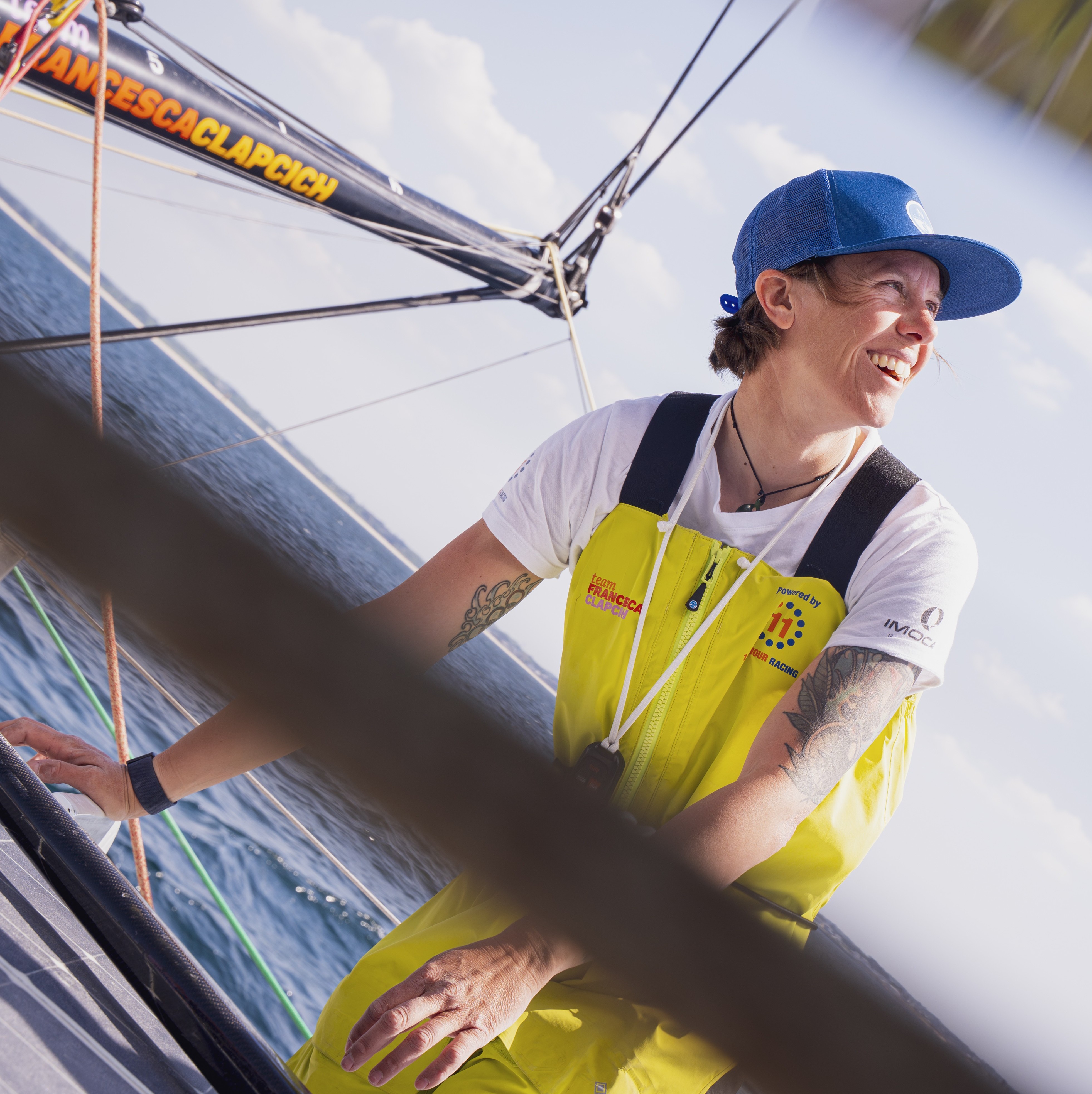
Team Francesca Clapcich Powered by 11th Hour Racing is led by Francesca Clapcich, one of the world's most versatile professional sailors - a two-time Olympian, round-the-world sailor, World Champion, and Women's America's Cup sailor with an ambition to compete in the 2028 Vendée Globe - racing solo, non-stop around the world. Team Francesca Clapcich seeks solutions for climate justice, inspires change, and fosters belonging in a community where diversity is celebrated and equality is the norm, both on and off the water.
When I was approached by the team at 11th Hour Racing to sponsor my efforts to build a team centered on my mission of Believe, Belong, Achieve. It made me realize how many people truly do believe that purpose and advocacy are meant to be in elite sport and offshore sailing.
We'd lose the momentum we've built around making the purpose part of elite sailing not just talking about ocean health and inclusion, but actually building a team where they're the standard. If that stops, it sends the message that this kind of work was only ever a nice-to-have, and I don't think that's true.
Be active in your own life and teams whether it be through finding new ways to contribute to reducing your carbon footprint or having conversations with those around you on how to make each other believe that they belong in a team so achievement is possible.
The amount of work from millions of people across the world working towards a common goal of bringing purpose into sport.
I might have become a medical doctor in emergency medicine.
Pink Pony Club by Chappell Roan!
Exciting!
.jpg)
Organization: New Bedford Community Boating Center
Location: New Bedford, MA
“Believe in each and every kid; some of our biggest troublemakers grew into our strongest mentors.”
At the New Bedford Community Boating Center, we use boating as a tool to help young people grow. While we teach sailing, boatbuilding, and ocean stewardship, our real focus is helping kids build confidence, independence, teamwork, and a sense of belonging. By removing barriers to access, we create opportunities for young people across Greater New Bedford to discover what they’re capable of through experiences on the water.
One day the kids were running down to the boats for a sailing lesson when one child stopped to look at a horseshoe crab on the beach. He said his family never went to the beach and he’d never seen anything like it before. Instead of sticking to the lesson plan, the staff followed the kids’ curiosity and spent the rest of the afternoon exploring the beach. That moment really showed me that the goal isn’t sailing itself, but creating opportunities using sailing, using boating, using the marine environment to get kids in a better spot and for them to learn something about themselves along the journey.
Our objective is to make life better for the kids, no matter where they’re coming from. No other organizations in our area connect the kids to the water the way we do, where it’s focused on mentorship and outreach. Without this work, thousands of kids would lose that connection to the water and everything that comes with it.
You have to start with the community and the kids first, 100%. At first, we had to recruit really, really hard and it was a lot of work, but now the kids in the program are the ones spreading the word, and now the program fills up before we even announce applications.
Seeing the kids grow up through the program. We’re about to sail to Bermuda with some who started here when they were five years old, and now they’re going off on this incredible adventure. They’re all pursuing different paths in life, but they all still connect over sailing.
Probably sailing around the world with my wife, spending time on the water, and experiencing different cultures along the way.
Ripple by the Grateful Dead.
Meaningful.
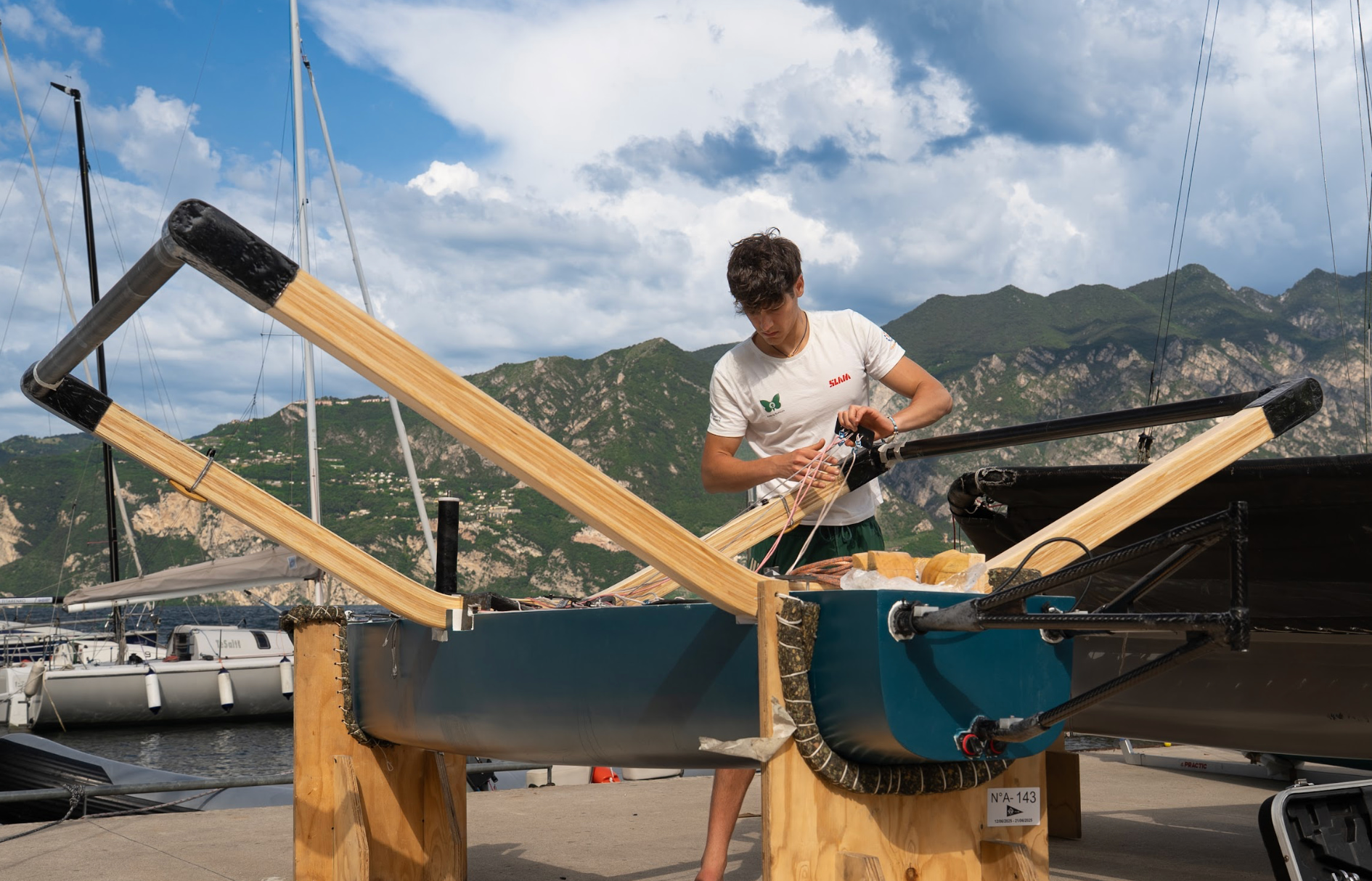
Organization: SuMoth Challenge
Location: Lake Garda, Italy
“Constraints are the only thing that pushes us further, the reason why innovation happens at all.”
SuMoth Association (SuMA+) runs the SuMoth Challenge, an annual international competition where university student teams design, manufacture, and race their own foiling Moth-class sailboats under sustainability constraints. Now in its eighth edition, with 19 teams from 18 universities competing on Lake Garda, SuMoth is equal parts engineering crucible, research platform, and sailing event. It asks a question the marine industry rarely confronts head-on: what does truly sustainable high-performance design actually look like, from materials choice to end of life? The Moth class framework, open and exquisitely sensitive to design decisions, makes it the ideal sandbox for testing bio-based composites, circular design approaches, and low-impact manufacturing before the students who built them enter the industry and start doing it for real.
Before SuMoth existed, I was part of Rafale ETS, a student team building a 25-foot C-Class foiling catamaran for the Little America's Cup, a professional competition where we had no business competing. We were the underdog in every sense. But our process, passion-driven, research-oriented, sustainability-conscious, turned out to be exactly right. Not because we won, but because of what that process produced in us. When I started SuMoth, I wasn't trying to replicate a competition. I was trying to replicate that feeling, that specific moment when a student stops following a textbook and starts solving a problem no one has solved before. When I watch a team on the water at Malcesine and I see that look, I know it's working.
An experience no course can manufacture. SuMoth puts students inside real engineering constraints, real team dynamics, real failure, and real accountability, all in a context where the consequences of getting it wrong are a wet sailor, not a shipyard crisis. That gap between academic training and industry readiness is enormous, and most of the industry just accepts it. SuMoth doesn't. The second thing that would be lost is what the industry actually receives on the other end. There is a difference between a graduate who studied boat design and one who finished their prototype the night before the race and spent the next week solving problems they had never seen in a textbook. The marine industry gets professionals who have already been inside that pressure, who know what real problem-solving feels like when the clock is running and the boat still needs to float. That kind of formation doesn't happen in a classroom. SuMoth is where it happens.
Find an experience you once wished had been slightly better, and tackle those small things as if you were doing it for your younger self. The rest comes by itself.
Every year I watch students walk into the competition having built something they were told was too ambitious, and walk out knowing they can do it again.
I don’t see this as work, it’s more of a hobby. Work for me is more of an obligation, but I do this because I want to do it, because I think it’s the right thing to do.
Rock ballads and Bach sitting next to heavy metal.. The work moves between precision and chaos depending on the day.
Purposeful.
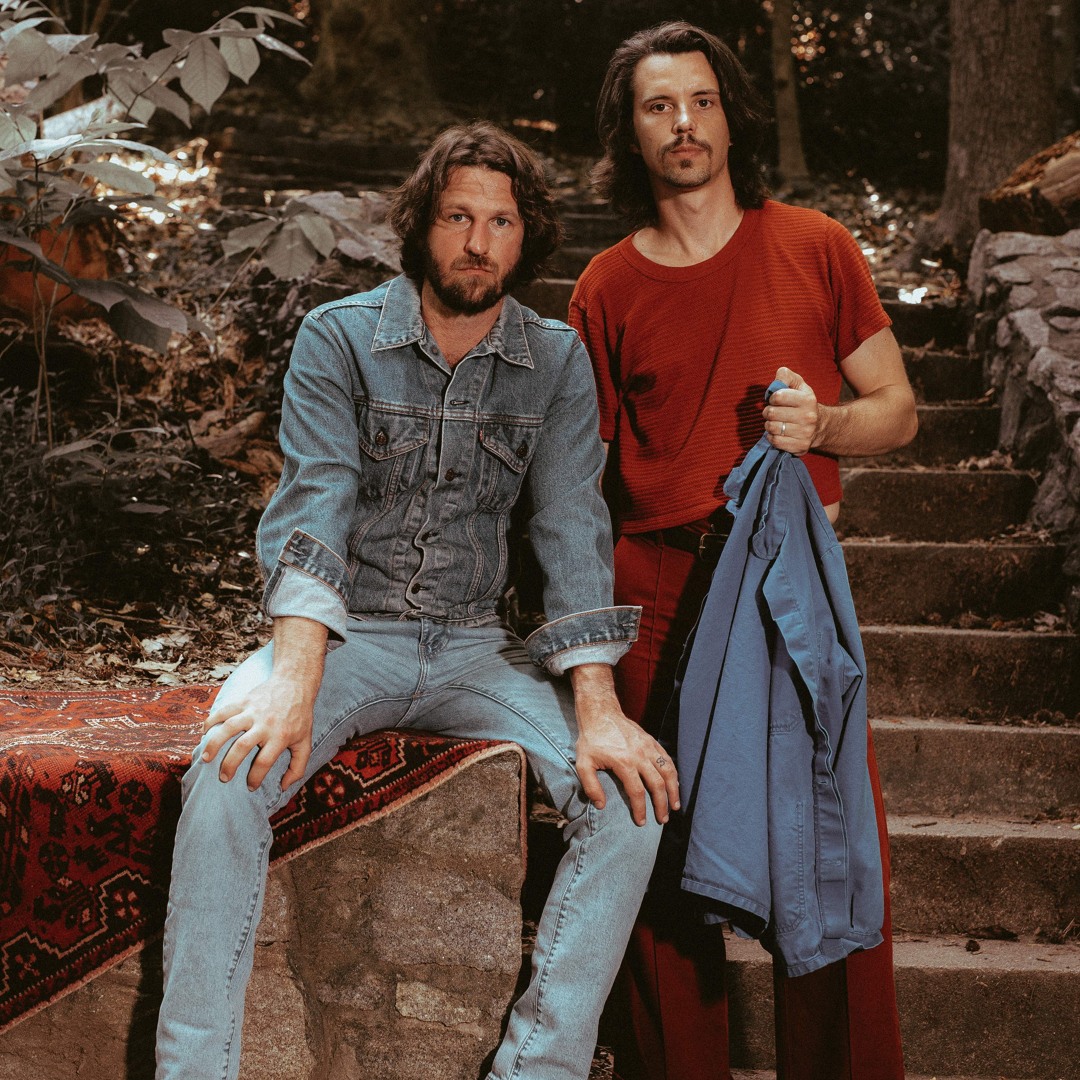
Organization: Illiterate Light
Location: Harrisonburg, VA
“Life is precious and chaotic. The world is beautiful and messy. There is a way to enjoy both without destruction, but within the confines of modern society, that takes a lot of work and focus. It's worth it.”
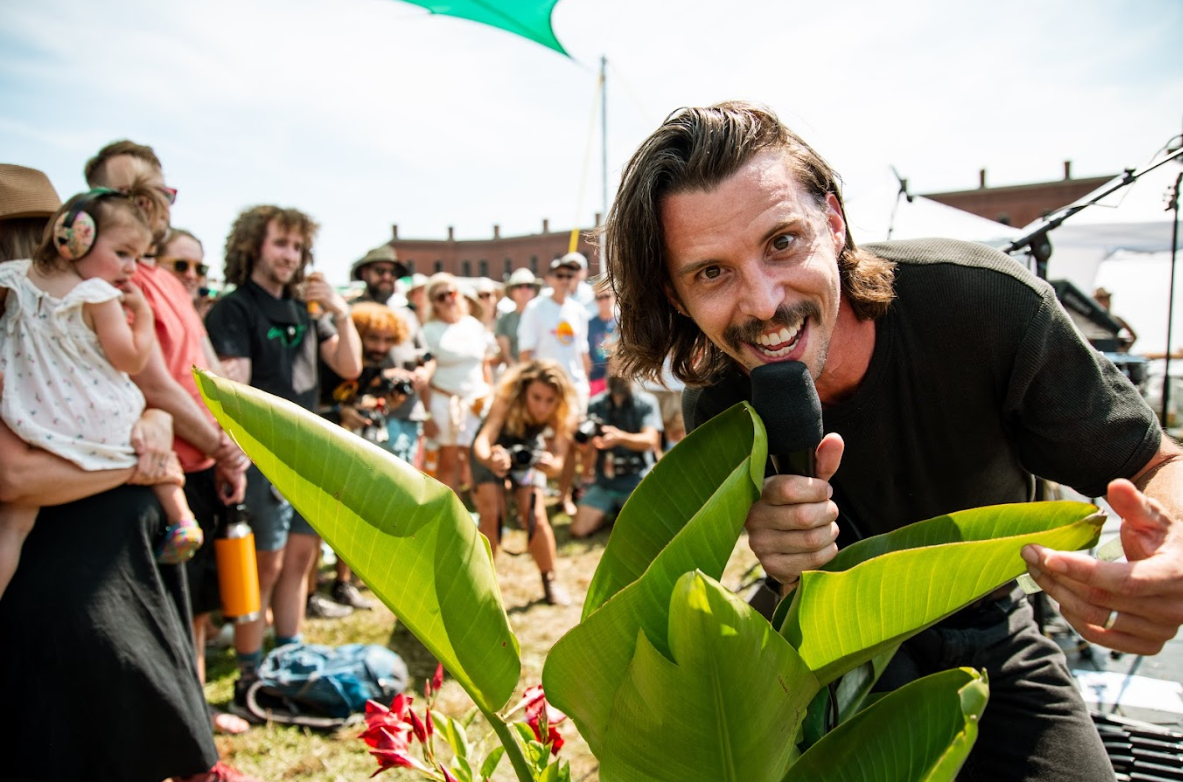
Illiterate Light is a two-piece rock band from Harrisonburg, Virginia, formed in 2015 by Jeff Gorman and Jake Cochran, who met while managing an organic farm in the Shenandoah Valley. Known for their ferocious, genre-defying live show the band has built a devoted following through relentless touring, major festival appearances (Bonnaroo, Lollapalooza, Newport Folk Festival), and a catalog that spans thunderous indie rock, psychedelic folk, and harmony-driven Americana. Beyond the music, Illiterate Light has made sustainability a cornerstone of their work: since 2022 they have hosted a bicycle-powered stage at Newport Folk Festival, and in the summer of 2025 they completed "Road to Newport," a 600-mile bike ride from the Shenandoah Valley to Rhode Island that wove together live performances, community partnerships, and public engagement around climate, transportation, and local advocacy.
The first time we ran the bicycle-powered stage at Newport Folk Festival. We weren’t sure if anyone would show up, but when we arrived, more than 150 people were already lined up to ride. From 7-year-olds to 70-year-old, everyone that got on a bike helped to power the music. Seeing all those smiling faces and realizing that the show literally couldn’t happen without their help was incredible. For a short time we were able to step outside the power grid and create a new way to experience music together.
People would lose more than the music, they’d lose the opportunity to be a part of it. The music we make is of joy, catharsis, and rebellion and our dream is to share space with our audience and to inspire any listener to find their calling and create a life of purpose and connection, where the audience isn’t just listening but participating.
Jeff
Spend a lot of time in nature.
Jake
Fix up your old rusty bicycle and use it in place of a car within 1 mile of your house. Pick up that guitar collecting dust in a closet, plug it in and turn up the amp as loud as you can and just see what happens.
Jeff
Don’t stop. Rest, but keep moving.
Jeff
My daughter. She makes me think more carefully about how my actions today will affect the future.
Jake
Learning from my two year old son what it truly means to see the world with wonder and an open mind.
Jeff
Being a farmer or monk.
Jake
Dying.
Jeff
Wendell Berry.
Jake
Loud drums and electric guitar.
Jeff
Raw.
Jake
Cathartic.
.jpg)
Organization: Urban Rivers
Location: Chicago, Illinois
"Nature does not care. Whatever you want to build, give it enough time, nature is going to knock it down. You can do all you want to fight nature, but we’re all a part of it, their fate is our fate."
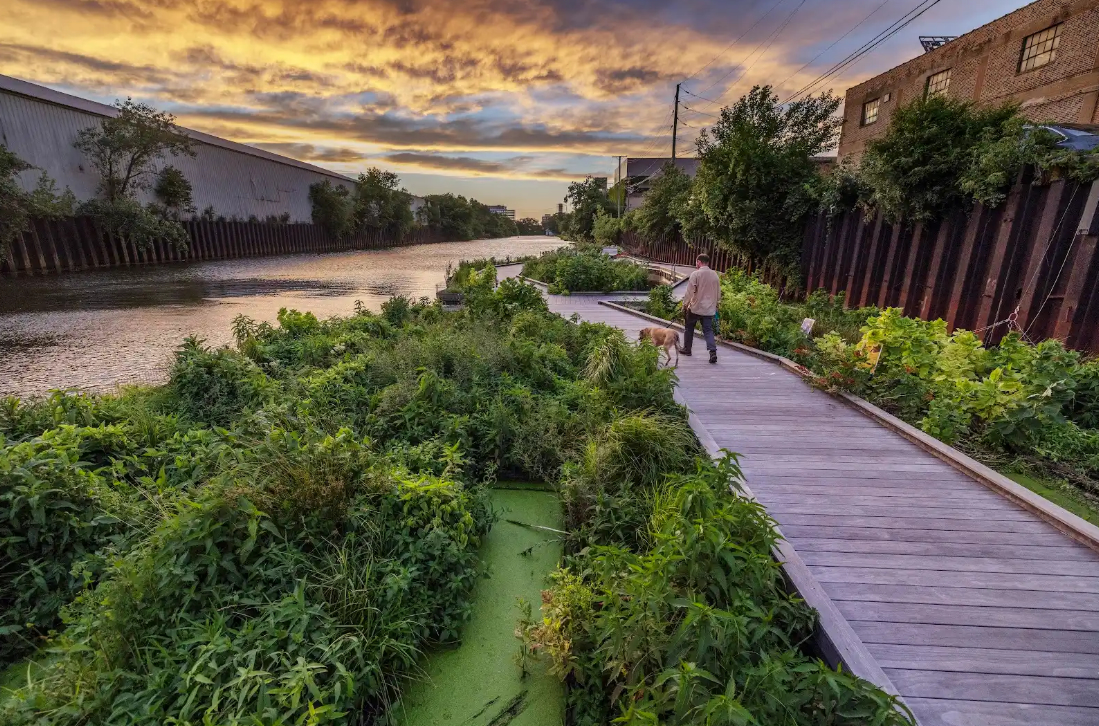
Urban Rivers is a nonprofit organization dedicated to environmental remediation of the waterways in Chicago, Illinois. We focus on studying and reviving the city’s river ecosystem and water health with floating wetlands. We’re most famous for our Wild Mile, a floating eco-park that functions as an open-air museum, botanical garden, classroom for the community, and a habitat for native wildlife.
Around COVID, in Chicago they shut the whole lakefront down. Everyone was really miserable. The whole reason you live in Chicago is for the brief glimpses of good weather we get on the other side of the year. With everything shut down, we were able to have socially-distanced kayak training, people picking up trash in the river, to help get them out. People were in tears describing how thankful they were. I always thought of Urban Rivers as a scientific endeavour. I learned how important we were to people, even in the early phases of what we were doing. That’s when it really clicked. We’re building community around the river. Not just for wildlife, but also because people need that desperately.
Cities all over the world were built around their waterways, and many are being redeveloped right now as their industrial uses fade away. If that redevelopment doesn’t include positive river front features, then we’re missing an enormous opportunity to reclaim and restore those waterways. The real risk is getting locked into another generation of gray infrastructure, once a new seawall is built, it’s like that for another 100 years until that seawall fails, you’re locked in. Without this work, cities lose the chance to weave the river and waterways back into the fabric of their community.
The first step is to be open-minded and willing to start before you have everything figured out. There isn’t a playbook for how some of this stuff works. It’s relationship building, it’s being humble, following opportunities when they appear. Always be exploring new kinds of avenues.
Seeing how much energy people have to do something that doesn’t directly benefit them, watching them live more fulfilling lives, doing what they want to do.
I once had an interview to be a fan-boat operator for people doing research on Snail Kites down in Florida. The name that my parents got excited about was Fanboat Phil, Fanboat Phil was an enormous missed opportunity.
The cacophony of birds. The Night Heron, and the Canadian Goose.
Joyful.
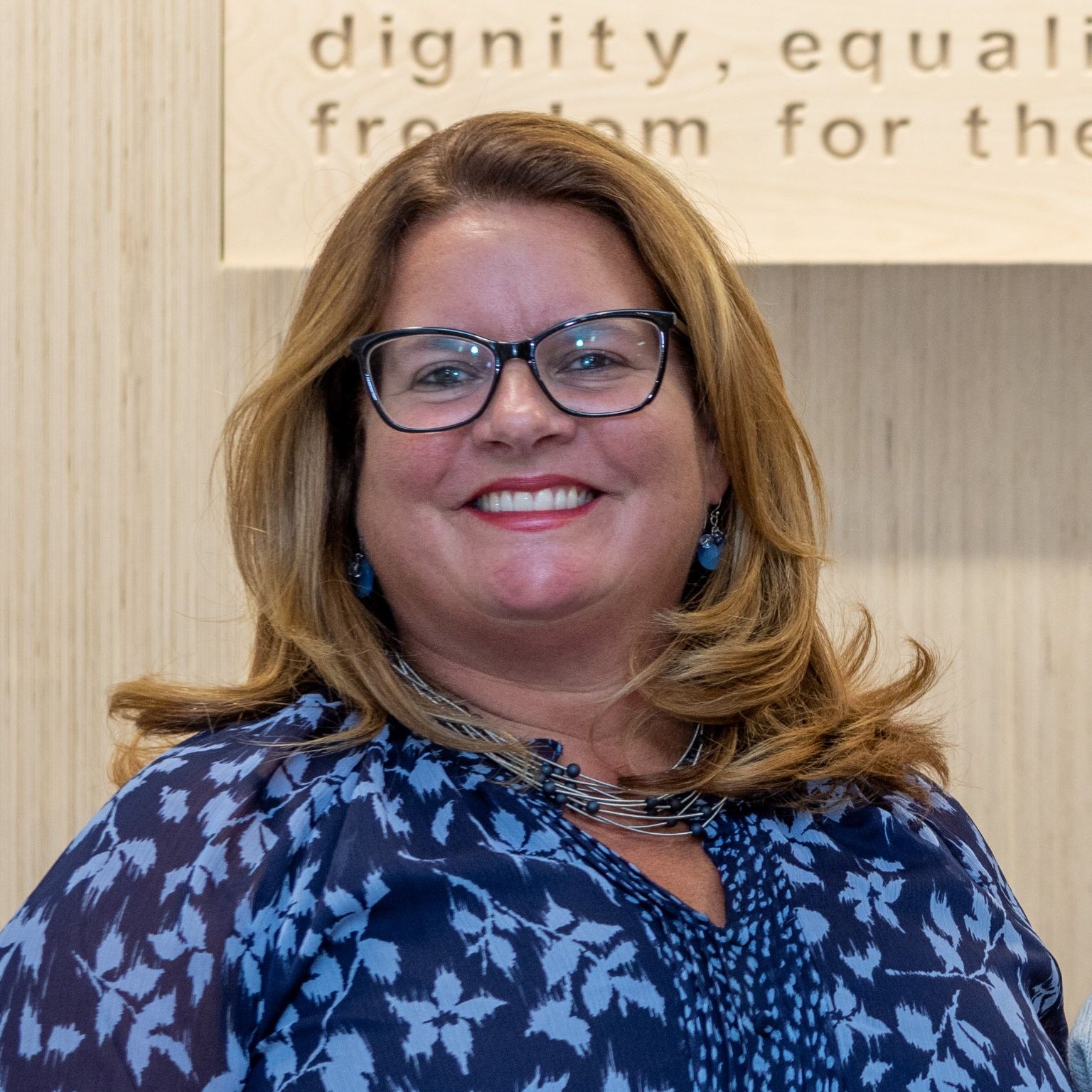
Organization: Dr. Martin Luther King Jr., Community Center
Location: Newport, RI, USA
“A community is only as strong as the weakest among us, everyone matters.”
The Dr. Martin Luther King, Jr. Community Center (MLKCC) nourishes, educates, and supports Newport County residents to improve their economic, social, and physical well-being. This is done through our critical services that reduce hunger, increase wellness and social connection, and help children learn and thrive while parents work. We are a client-focused social service agency that last year helped more than 8,700.
One day I was having breakfast at a local restaurant. I didn’t realize that one of the clients of the MLK Center, a man who was homeless, was sitting nearby. When I noticed him, I quickly said, “Hello”, and introduced him to my daughter. He was excited to tell me that he had recently started a job and got an apartment and that things were looking up for him. I was so happy to hear this news. When he got up to leave, he turned as he was walking out the door and said, “I took care of your bill. I am so grateful for all that you have done to help me.” As I rose to my feet to try to stop him from doing that, he smiled a big smile and said, “Please, it is important to me.” With a tear in my eye, I said, ‘Thank you!” I will never forget that moment. I don’t think my daughter will either.
The community counts on the MLK Center. I hear over and over from the people who turn to us for help and hope, “I don’t know what this community would be without the MLK.” Let’s hope we never have to find out. The work that I do is critical.
The most important quality is a passion for the community and EVERYONE who calls it home. You must also be willing to listen and learn, each and every day.
The giving spirit of thousands in our community with their time, talent and treasure inspires me each and every day.
I was an elementary school teacher here in the community for 23 years. I am so blessed to have two careers that I have loved. They both bring me such joy and fulfillment.
“I Won’t Back Down” by Tom Petty.
Powerful.
Organization: Stone Living Lab
Location: Boston, MA
“Climate resilience only happens through collaboration.”
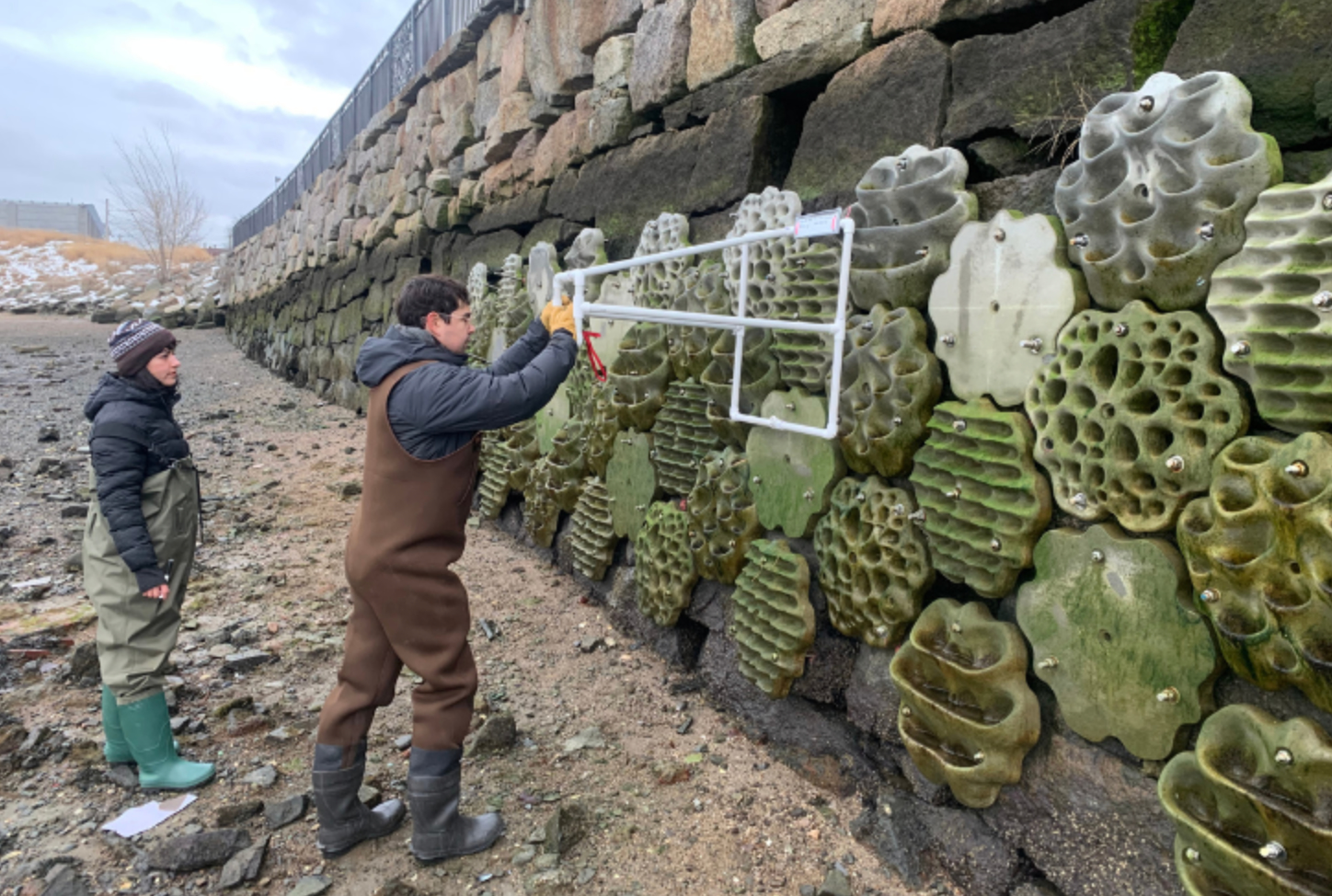
Stone Living Lab is a research and education hub implementing nature-based solutions for coastal resilience. The lab is best known for their Living Seawalls, which uses eco-engineered habitat-mimicking concrete panels to create viable ecosystems along city waterfronts. The lab prioritizes community engagement, using its innovative restoration projects in Boston Harbor to spark public interest and create opportunities for education and outreach.
We hosted a conference in 2025, bringing all of our projects together, and that was when things really started to click. We have all sorts of different types of projects going on in the field from prototypes of nature-based approaches to education work, to policy work, to coalition building and social resilience building that we do through building a community. At the end of the first day at the conference, I had a really nice reflection walking off campus. The community that we brought together, the goodwill, the camaraderie, being able to share what we’re doing, hear what others are doing, how it complements each other, it was really, really special.
I appreciate the focus on nature-based approaches that we bring to the conversation. Every partner we work with plays their part in climate resilience and coastal adaptation.
Connect with a group that’s doing community planning work, environmental restoration. Just some sort of volunteer work to understand your city, understand your environment, understand your ecosystem as best as possible. Everybody who lives in a neighborhood is already the expert in that neighborhood.
Our youth partners and the enthusiasm, the insight, the care they bring to their work and their community.
If I had the skill set and another five inches, I’d be a professional basketball player.
Boston Harbor waves.
Hopeful.
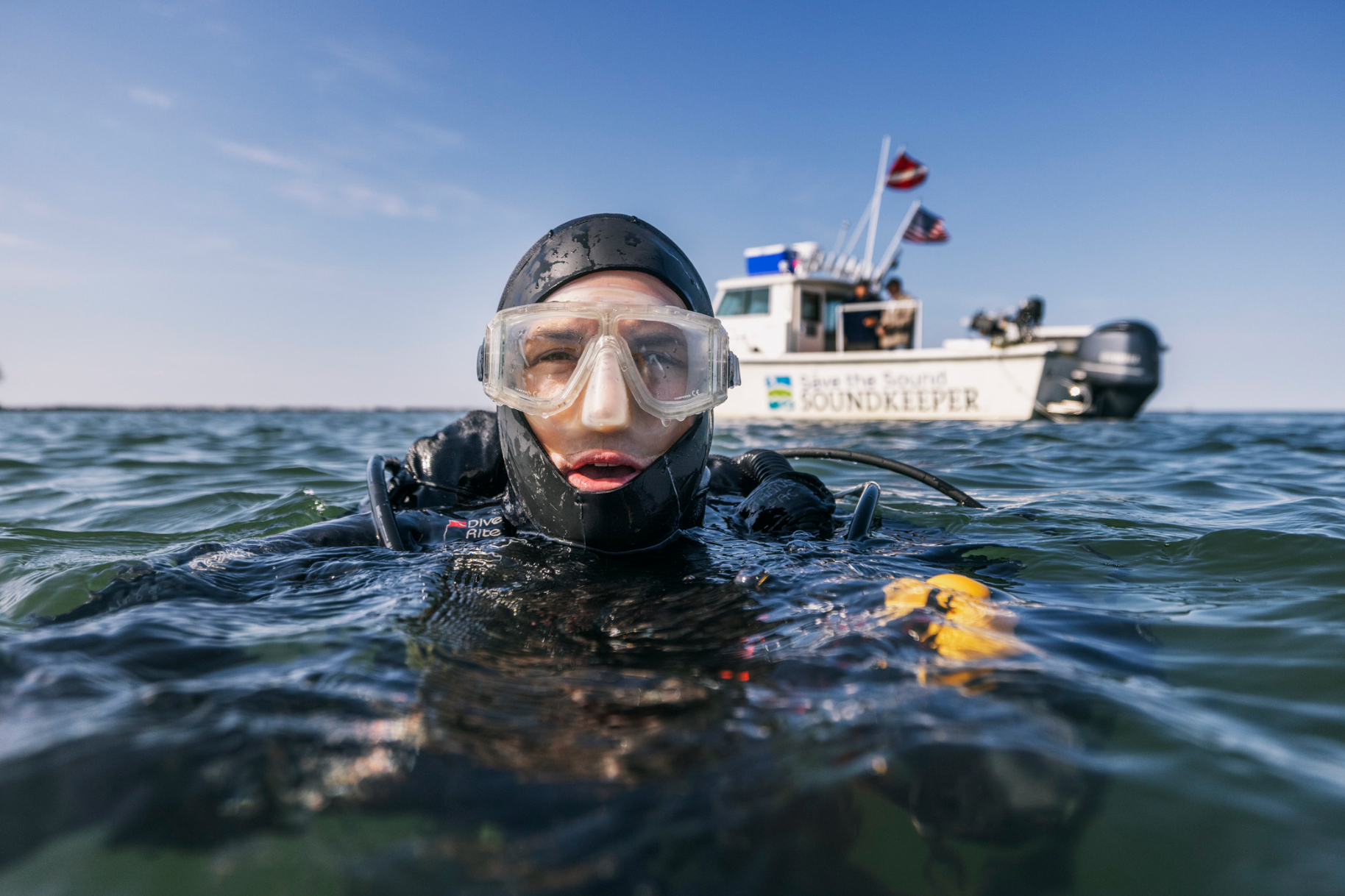
Organization: Save the Sound
Location: Connecticut
“Nothing in the world can take the place of persistence.” - Calvin Coolidge or better yet “Do what you can with what you have where you are.” Teddy Roosevelt.
Save the Sound leads environmental action in the Long Island Sound region. We fight to mitigate climate change, conserve endangered lands, protect the Sound and its rivers, and work with nature to restore ecosystems. What makes us unique among regional nonprofits is the breadth of our toolkit and results. We work in many ways, from legislative advocacy and legal action to engineering, environmental monitoring, and hands-on volunteer efforts. Together, we restore and protect all that impacts New York’s and Connecticut’s environment, from rivers and shorelines to wetlands and forests, from the air we breathe to the waters of the Sound itself. For 50 years we’ve been ensuring people and wildlife can enjoy the healthy, clean, and thriving environment they deserve—today and for generations to come.
It was during the first Roadless Rule timber sale in Alaska’s Tongass National Forest. The rule prohibited any new logging roads until the billion plus dollars of backlog of road maintenance and watershed damage was addressed. I joined with the City and Borough of Yakutat and the Yakutat Tlingit Tribe in successfully halting the sale and securing a permanent injunction against road building in the Northern Tongass National Forest. The proposed logging threatened the Situk River watershed, which local commercial fisherman and tribal members have relied on for generations. Salmon fishing is a way of life for them and fully entwined in their identity.
As a waterkeeper, I am part of a global organization of regional advocates who speak for their waterways, whether it’s a bay, sound, river, or lake. Without local people on the ground who are personally connected to those waters, the work of stopping pollution and healing degradation becomes harder, or can potentially stop. Billions have been spent on improving sewage treatment plants and collection systems, and Long Island Sound is one of the few estuaries in the world that is actually improving. If that work stops, those gains will reverse and the Sound will return to its black sludge dominated and oxygen-starved past.
Expand. Have a healthy curiosity and be curious about how everything works. Whether it’s your car engine or the nitrogen cycle, if you have curiosity, that will lead you to education. And education takes many forms. You have to do the hard work to learn how to use the tools that will lead you down the path of making real decisions.
To see the younger generation more in tune with the environmental movement. They are able, if they so choose, to utilize our past mistakes and not repeat them.
I’d be a farmer and a commercial fisherman. There is something very satisfying about working hard to produce for people.
Jazz because of the constant changes and shifting gears. Every day is new and unforeseen.
Optimistic.
.jpg)
Organization: Un Mar de Colores
Location: Kumeyaay Land - Encinitas, CA
“The work is incredibly inspirational but can be incredibly weighted. Grounding in your immediate mission and goal is the most important thing that you can ever do.”
Un Mar de Colores is an Indigenous-led and community-rooted movement transforming how young people connect with the ocean and with themselves. Our programs weave surfing, surf therapy, environmental education, mental health support, and climate leadership to nurture the next generation of ocean stewards across the San Diego and Baja region.
For me, it has come in the sense as a leader. Un Mar feels like it’s well rooted because of how intentionally it has been built, so it can exist without me now. That’s a beautiful thing you can have as someone who has started a non-profit. It takes on a life of its own and it can exist and do all that goodness with or without you. To me that's a lasting impact and that’s all I could have ever wanted.
A sense of belonging and safety that we’ve been able to really curate in our experiences. When folks step onto the beach with us, there’s a distinguishable energy, they cross a threshold when they have a day with Un Mar de Colores. It’s familial by nature. It’s this idea that you’re celebrated and welcomed when you step onto the beach and into our programs in a way that kids feel comfortable. The students that are with us feel the ability to show up authentically, whether they’re nervous, or frustrated, or really energetic and everything in-between. They’re accepted there and they’re part of it, and we’re going to hold them through that.
You’ve got to look at the community and see if the efforts are needed authentically. Go and listen to the community and see if that’s something that would be welcomed. You might find out that there’s already a trusted organization doing that work. Then you ask, ‘how can I step in and amplify, contribute, build a chapter that’s not a duplicate of services?’ You’re supporting an organization that might already have a long-standing relationship with that community.
Nature’s ability to withstand human abuse and still foster so much life that we as humans get to personally experience, benefit from, live on, create stories about, and form identity around. I’ve seen nature bounce back and I’m confident in that. ‘Nature doesn’t hurry, yet everything is accomplished’.
I’d be surfing everyday. Spending quality time with my girlfriend and our two dogs, Lupita and Saffron. I’d be traveling a lot more, I have a personal love for Yucatan where my family is from in Mexico. It’s always a place that nurtures me. I love Nepal, I love the mountains. I’d lean into more time mountaineering as well because it’s new to me and gets me out of my comfort zone.
“Water No Get Enemy” by Fela Kuti.
Flowing.
The best programs ignite something inside of you as well as teaching you. These young changemakers featured below are proof of that: shaped by inspiring people and programs, and already finding their own ways to make a difference.
.jpg)
Organization: RI School Recycling Project
Location: Rhode Island
“I’ve learned how to reduce, reuse and recycle peoples compost, recycling and trash.”
RI School Recycling Project has an efficient model for implementing sustainable food waste management plans in schools, combining both composting of food waste and food recovery for those in need. RISRP’s holistic approach builds tailored plans for schools that aim to ultimately become cost-neutral and self-sustaining. With their approach of training students as Cafeteria Rangers and Green Team Captains to take the lead on sorting station monitoring and educating their peers, RISRP has been able to identify the clearest behavior change from other school-age children, both in the cafeteria and in bringing these practices back home.
The thrill of educating my peers in positive ways to manage food waste.
If I never joined this program I would not be as aware of food waste and food recovery.
I have hope for the future because more students are becoming informed about the environment and actions they can take now to protect it!
I love a lot of different types of music. Currently my favorite song is “Payphone” by Maroon 5.
Helpful.
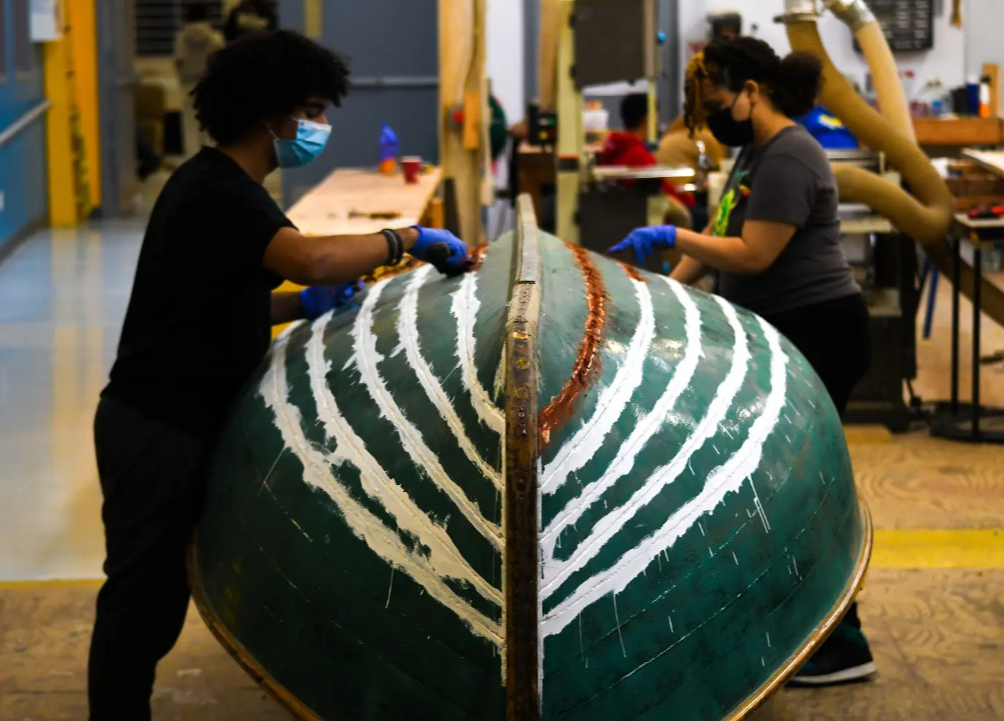
Organization: Rocking the Boat
Location: Bronx, NY
“Small changes matter just as much as big changes.”
Rocking the Boat harnesses the power of traditional wooden boatbuilding, sailing, and environmental science to support youth in the South Bronx. Using 14- to 17-foot Whitehall rowing boats —hand-crafted by their peers—participants in the Environmental Program monitor the quality of the Bronx River’s waters, grow nutrient-filtering seaweed, and maintain multiple wetlands, among many other projects. The Boatbuilders are nearing completion of a new boat dedicated to the Environmental Program: a Garvey, a 23’ long 6’ wide landing craft large enough to accommodate all 12 Environmental apprentices along with their equipment.
Definitely the community. I’ve been in the program for three years, and the people are so welcoming, it feels like a second home to me. I have friends who came with me from my school into the program, and I’ve also made new friends and new connections.
I would be different in two ways. One way is my personality. I feel like coming to Rocking the Boat helped me come out of my shell. I feel like I bloomed as a person. I’m more outgoing and opinionated than I was before. I used to be more shy and reserved but coming to the program and making new friends and being able to work with so many different types of people, it helps you come out of your shell.
Seeing people interested in programs like Rocking the Boat. When I was younger, I didn’t realize things like this existed but now I’m able to share it with others, including my siblings. My youngest sister wants to join the middle school program. There’s future generations coming in to work towards the same goal.
I was asking my friends because I’m not a big music listener, but we came up with the intro song to Dora the Explorer because we’re always going outside and going into the woods.
Fulfilling.

Organization: TeamFAME
Location: Newport, RI
“I’ve learned how to be confident in myself and my ability to lead.”
The International Tennis Hall of Fame hosts year-round educational opportunities through their TeamFAME program, which provides over 500 K-12th grade students with access to tennis clinics, summer camps, and after-school programs that combine academic support with life skills development. TeamFAME leverages local partnerships with Newport schools and NGOs to enhance their programmatic offerings and outreach capacity for increased accessibility.
The amazing community and friendships I have formed.
I would never have met my best friend and I would not have half of the opportunities that I have now.
The younger generation is coming together to face the climate crisis.
“Heroes” by David Bowie.
Stay informed on current events and stand up for your beliefs.
.jpg)
Organization: Newport Festivals Foundation
Location: Newport, RI
"I found my voice through music and learned how to turn my experiences into something meaningful.”
The Newport Festivals Foundation offers high school students the rare opportunity to work directly with Newport Folk and Jazz artists throughout the school year to learn what it takes to be a musician in today’s ever-evolving music industry. Students learn the basics of music theory, form their own bands, and write their own songs. Each Lab culminates with the students performing live on stage at the Newport Folk and Jazz Festivals. More than just a music education program, the Music Lab teaches students the importance of community engagement, collaboration, and communication.
The sense of community and the opportunity to create music alongside people who are passionate and willing to grow together.
I wouldn’t have the confidence to create and perform music, use it as an outlet for self-expression, or have found the incredible friends who became family along the way.
Seeing young people use their talents and creativity to make a difference.
R&B, because it gives people the freedom to be vulnerable and authentic.
Empowering.
Hero image credit: ©EmmyHagen
.svg)
.svg)
.jpg)
.jpg)
.jpg)
.jpg)
